• South by Southwest 2022: Q&A with Amanda Clark

    You searched for new era cap – Page 22 of 31 – The Martin Group

    This year, our very own Amanda Clark spent 10 days exploring everything that South by Southwest (SXSW) had to offer. As its first year back in full-swing, Amanda took in as much as she could, from healthcare marketing to professional development. When she returned, Amanda had a head full of new ideas and insights. She shared her highlights with us hitting everything from Mark Zuckerberg, to the indescribable buzz of Austin, TX.

    The Martin Group: Who was your favorite speaker at SXSW? Why?  

    Amanda Clark: This is a tough question because there were SO MANY well-known speakers who I really enjoyed hearing from, namely Mark Cuban, Michael Dell, Lizzo, Tim Ferris, and Guy Raz. But my favorite speaker was the founder of Everlywell, Julia Cheek. She spoke about the challenges of raising capital and building a brand and infrastructure to provide their affordable at-home lab testing products across America. They were coincidentally well-positioned to deliver COVID tests early on in the pandemic due to the infrastructure they established many years prior.  It was incredible to hear Julia’s story of resilience and serendipitous alignment leading her company to be valued at nearly $3 billion. 

    TMG: What does the future of marketing look like, according to the sessions you attended? 

    AC: The future of marketing is personalized. Nearly every speaker highlighted the power we have as marketers and content or product developers to customize our offerings to our audiences. At one end of the conversation, Mark Zuckerberg talked about customizing your avatar in the metaverse with crypto-purchased “clothing.” On other end, the President of Best Buy, Deborah Di Sanzo, discussed customizing the homes of seniors to utilize smart technology to live independently in their homes. The consumer is smarter and more skeptical than ever before, so a personalized approach to marketing will be very important in the future. 

    Another element of marketing in the future will involve cryptocurrency, according to the speakers. Mark Cuban said, “if you’re a content creator and you don’t understand crypto, you’re BLEEP-ed.” Multiple speakers talked about the synergies of the metaverse and cryptocurrency not from an investor standpoint, but more so as a currency and content ownership rights necessity. They spoke on the ease of transferring funds in the metaverse because of crypto, and the opportunity for creators to make more money for their work without “corporate” taking a cut. Something to consider when thinking about future innovations and marketing and sales within the metaverse, for sure. 

    TMG: What did Mark Zuckerberg have to say about the metaverse? 

    AC: “The metaverse is the next chapter of the Internet.” He reiterated that the metaverse will rely on content creators to make it what it is. Mark said that his goal is to “create a massive new economy that will support many millions of jobs, enabling people to do the creative work they want to.” It seemed to me that a lot of people were excited about the metaverse for their own personal use and for their businesses. There’s excitement about the unknown, and even more so when you’re surrounded in a room by innovators who can change the world. That said, I did overhear a handful of skeptics stressing their hesitation around getting lost in a digital world and losing focus on reality. While a digital world is intriguing in many ways, I do think that there’s a strong pull (especially among those at SXSW) to peel back the clutter and get down to basics: being outdoors, seeing people in person, buying tangible objects instead of digital NFTs. It’ll be interesting to see how all of this unfolds and how we end up using these technologies.  

    TMG: What is something new you learned throughout the week? 

    AC: I learned that there are a lot more people building platforms and businesses involving cryptocurrency than I thought. We all hear about it on a somewhat fringe level, and there are passionate skeptics and enthusiasts alike. Regardless, I was surprised how much it was discussed and endorsed by this group of speakers. 

    TMG: How did your days flow during SXSW? Give us a day in the life. 

    AC: 8am – Grab a coffee and “plan” my day. I put quotation marks around “plan” because nearly every day went off script. I was given the advice to just go with the flow and come to terms with the fact that I will have FOMO because I can’t do it all. Not ideal for a type A person, but I managed. 

    9:30am – Walk 5-10 minutes from my downtown apartment to one of the hotels or conference center to start sessions. 

    9:40am – Sometimes, I’d wait in a line to get into a session. I liked to get there early so that I had a good seat. 

    12pm – After 2-3 sessions, it’s time to grab lunch. Sometimes, that means chowing down a quick snack that I packed in my bag, a food truck taco, or stopping home to make lunch and take my dog out. 

    1:30pm – Soak up some sun and stroll by some live music on my walk back to more sessions. 

    6pm – Stop by an outdoor networking event or pop by a bar/restaurant for some live music.

    Unlike many SXSWers, I didn’t spend many evenings out. I wanted to be fresh for the sessions each day, but there are a LOT of activities around town for everyone. Movie premieres, live music, tons of restaurants and bars, pop-up sponsored house parties all around town. I did go out a couple times, and it was a madhouse. VERY FUN! But if I was visiting ATX and didn’t live here, I’d think this city is much more wild than it really is. ? There’s a saying here, “Keep Austin Weird,” and the city certainly delivered on that. 

    TMG: What was your biggest takeaway from SXSW?  

    AC: It’s a challenge to explain SXSW to people who weren’t there in person.  From day to night, you’re surrounded by ambitious, creative, charismatic, and intelligent people. You’re shoulder to shoulder with millionaires, entrepreneurs, influencers, celebrities, and everyday people looking to improve themselves and their skillsets. It’s not like a typical conference when you sit in a crammed conference room and cheesy music plays over the off-pitch speakers as the keynote dances on stage and the crowd fake laughs. It’s real. It’s authentic. The audience is engaged and pushing back on the presenters, asking difficult questions and meeting with the speakers afterwards to network and have discussions. Fun, current music is playing all over town; there’s a lot of laughter and weird experiences. For example, I was walking down the street and saw three mascots of Nicholas Cage for a movie promo handing out Nicholas Cage temporary tattoos (and yes, I got one).  

    My key takeaway is that the energy of the people at this event was contagious. A lot of us have been isolated for the past two years and limiting large gatherings. While precautions were taken by SXSW to ensure safety, it was clear to everyone that human interaction, conversations, and collaboration were genuinely appreciated by all in attendance.

    TMG: Obviously, SXSW is much more than just marketing. What are some of the other industries that made an impact on you while you were there? 

    Tech, music, and film for sure! I also observed heavy focus on personal development, DEI (diversity, equity, and inclusion), leadership, and entrepreneurship. From a personal development standpoint, I sat in on a 90-minute workshop titled “Write a Creative Brief of Your Life.” We started the session with a meditation and then prioritized the important elements of our lives. The host walked us through a journaling exercise and we came up with our “why.” A lot of times we ask our clients at The Martin Group, “what’s your why?” Then, we take those insights and craft a creative brief. In this workshop, we did that but for our personal lives. Members of the audience shared their insights, tears were shed, laughs were had. It was a really nice way to connect with others and with ourselves in a process that is very familiar to me as an account supervisor at The Martin Group. I write briefs all the time for clients, but not for myself. I found a lot of value in that. If you have any interest in doing this for yourself, check out www.thelifebrief.com/.  

  • Social Media Supervisor

    You searched for new era cap – Page 22 of 31 – The Martin Group

    As a Social Media Supervisor you will be responsible for the overseeing our social media product, development of our client’s social media strategy strategy, ensuring effectiveness and driving the acceptance of relevant social media tactics.

    You will be successful in this role if you’re passionate about social media, care deeply about client success and connecting with every contact, deliver what is promised to internal and external contacts, demonstrate creativity in delivering solutions and are committed to your own personal growth and development.

    You will be responsible for:

    • Manage in-house team members focused on social media management and social content development
    • Management of projects requested from clients and internal stakeholders
    • Uses expertise across social media space to strategize for and manage Facebook, Instagram, LinkedIn, Twitter TikTok, and Pinterest accounts
    • Expand our social media offering to include emerging platforms and new channel capabilities
    • Manages client relationship in the strategizing, creation, and optimization of social media content and campaigns
    • Conceptualizes content ideas for client’s social media channels
    • Develops and maintains monthly social media content calendars
    • Write social media content and leverage templated tools to create visual content
    • Collaborates with in-house team to write and design more advanced social media content
    • Measures the impact of social media programs, analyzing, reviewing, and reporting on effectiveness of campaigns in an effort to maximize community engagement and conversion.
    • Stays on top of social media trends to offer new opportunities to clients and analyze emerging platforms, offerings and changes to how consumers consume content
    • Collaborate with our new business team to attract and expand our social media client roster
    • Provides internal training to members of the agency in order to advance social media and content knowledge
    • Collaborates with TMG operations, creative and digital teams on integrated campaigns

    Required skills include:

    • Builds strong, trusting relationships with clients by being their advocate, problem-solver and providing proactive thinking
    • Communicates effectively in person, via email, and via the telephone with both the client and the agency’s digital team on specific projects
    • Strong analytical and project management skills
    • Strong understanding of social media metrics; ability to interpret the results and take action to increase effectiveness
    • Strong organizational skills and attention to detail
    • Ability to meet deadlines and manage multiple projects simultaneously

    Desired Experience:

    • Prior role working as a social media supervisor
    • Four to six years of experience in this space
    • Experience working on integrated digital campaigns
    • Experience working with Facebook, Instagram, LinkedIn, Twitter, Pinterest, and TikTok
    • Experience working in native social media platforms and third-party management tools
    • Agency experience a plus
  • Owning the Narrative: The Martin Group’s Public Affairs Practice

    You searched for new era cap – Page 22 of 31 – The Martin Group

    What are you doing to advocate for your cause? Public Affairs and Public Relations are two powerful tools to advance your business, an industry, or a particular issue. Are you using them well? Promotion and positive publicity are two factors that drive customers and audiences to your door. Public Affairs focuses on how you communicate to various stakeholders, the community, key audiences, and the public to strengthen your position. In a post-pandemic world—where social and cultural norms are being challenged and businesses are in recovery—a strong public affairs strategy cannot wait. You might already be behind.

    Changing Landscape

    Status quo, as generations before knew it, is gone. Business, social, and political landscapes are changing. The pandemic emerged amid a season of cultural and social awakening, causing many to stop and reflect on how society operates and its values. The past way of thinking is being challenged, playbooks are being rewritten, and it is all coming at a time of historic public investment.

    Decisions made in state capitols, city halls, and municipal offices affect every corner of every industry. At a time where many longstanding policies are being reviewed and groundbreaking changes are being proposed, what are you doing to ensure that your voice is heard in the halls of power? How are you engaging with the public to ensure that they are aware of actions being taken? Without a sound public affairs strategy, you may be asking yourself why your new development is facing public opposition? Why are supermarket shelves stocked with produce from out-of-state? Or why local businesses are shutting their doors?

    Businesses and groups armed with public affairs strategies and engagement tactics have been able to dive right into the conversation. Restaurants were able to emerge as the face of the struggling hospitality and tourism industry amid COVID-19 and were afforded early support from decisionmakers. Their voice cut through the noise and influenced governmental actions.

    Owning the Public Debate

    Our team is skilled with arming clients with the tools, counsel, and strategies to own the public debate. Whether it is grassroots activation, crisis management, a major merger and acquisition, or expansion into new territory, how you communicate to the public and stakeholders will factor into your success.  You must own the public debate. If you don’t, your opponents may.

    Facts are scrutinized more than ever and the trust between public, media, and government has weakened. Business, coalition, and community leaders’ platforms are amplified. Target audiences and stakeholders want to hear from you, so do not miss the opportunity to lead the conversation.

    Public Affairs Partners

    The Martin Group’s team of skilled public affairs practitioners bring decades of experience tackling the most complex issues facing the New York State. Our team has been on the front lines of major topics, fighting behind the scenes to redefine pillars in our society. We have been the boots-on-the-ground soldiers fighting to preserve the restaurant industry, from the debate over elimination of the tip credit to post-pandemic economic recovery. We were on the ground floor when New York’s very first medical marijuana patient was served and have followed the growth of this industry about to burst. Each time, we employ industry-leading research, media relations, and digital strategies to influence outcomes. Simply put, the stakes are too great to lose.

  • 2021 In Review: The State of Higher Education

    You searched for new era cap – Page 22 of 31 – The Martin Group

    As is the case with so many aspects of American life, 2021 has been a year of monumental change. From rising inflation to unprecedented labor shortages, from approval and distribution of the lifesaving COVID-19 vaccine to seismic shifts in our political landscape, we have been on a bumpy roller coaster ride. For those in higher education, the ride seems to have no endpoint.

    Undergraduate Enrollment Declines

    Beginning in 2012, enrollment at U.S. colleges and universities has steadily declined.  The onset of the pandemic in spring of 2020 accelerated this trend. By the fall of 2020, enrollment fell by 3.4%, and dropped another 3.2% in fall of 2021, according to research from the National Student Clearinghouse Research Center.

    This trend is further evident among international students. While there has been a gradual decline in this student population at U.S. colleges and universities since 2016 — in large part due to the US’s unwelcoming political climate and immigration policies — the pandemic plunged international student enrollment by a whopping 43% for the class of 2020.  This represents billions in lost revenue for the institutions and their respective communities.  

    If these preliminary numbers hold up, the last two years of undergrad decline, totaling more than 6%, would be the largest two-year decrease in at least half a century. This has college administrators and enrollment management personnel scrambling to chart a course in uncertain waters. 

    The Enrollment Decline’s Impact on Community Colleges

    And at community colleges across the county, the situation is even more worrisome, as this choice has traditionally served marginalized groups not well-represented in 4-year institutions, such as people of color, non-traditional students, first-generation students, and students from impoverished communities. With a 10% drop from fall 2019 to fall 2020, the impact of this decline may be long-lasting and far-reaching. 

    Typically, when the economy is doing poorly, enrollment increases, particularly at community colleges. But as the job market improves, students often leave college to join the workforce. During the pandemic, this didn’t happen. Instead, there are two parallel dips – both in enrollment and in workforce participation. When more students are thrown off the college path, society at-large absorbs the negative impact. Social mobility, family instability, community health, and a dearth in the skilled workforce from which employers can choose are just some of the effects of this cycle.

    Admissions Trends

    Test-Optional

    In the wake of the pandemic, most schools instituted a test-optional policy that extended to applicants for fall 2020 and 2021 admissions cycles. While a growing number of competitive and even elite colleges and universities had gone test-optional years ago, test-optional policies are no longer a novel point of differentiation. The pandemic has been the tipping point in this long-standing debate over the legitimacy of standardized tests as a measure of college readiness. In 2020 and 2021, hundreds of thousands of prospective college applicants were shut out from the possibility of using test scores to compete for admittance. And yet, admissions teams across the country were able to craft a class and fill their quotas by leaning into a “holistic” application review process.

    While the question of equitable access not only to the tests themselves but to costly test-prep and high-quality secondary schools continues to be debated, the movement to delegitimize standardized tests as an admissions criterion has gained traction, as proponents argue the inherent inequities in the system that favor white, upper-middle class students. One of the consequences of this change has been a dramatic uptick in the number of applications received at selective and elite colleges and universities, further feeding the cycle of driving acceptance rates down, leading applicants to cast an even wider net to secure admittance. It will be interesting to see how this story evolves over the coming admissions cycles, as the issue is viewed against the backdrop of our current social, racial, and economic reckoning. 

    Legacy Admissions

    As both a reflection of the socio-political changes afoot and to do more than give lip service to their respective commitments to diversity, equity, and inclusion initiatives sweeping campuses nationwide, a small but growing cadre of elite institutions are ending their legacy admissions practices. In November 2021, Amherst College, a private liberal arts school in Massachusetts, joined the Massachusetts Institute of Technology, Johns Hopkins University, and the California Institute of Technology in the handful of highly selective schools that have eliminated legacy admissions programs. According to a recent Wall Street Journal report, 56% of the nation’s top 250 institutions consider legacy in their admissions process. That’s a decline from 63% in 2004.

    Legacy preferences are commonly used at prestigious private universities to award an admissions advantage to the children and grandchildren of alumni, who are often donors. Historically, those universities have made the case that doing so helps encourage donations that can be used to furnish scholarships for students who need them. The unvarnished truth, however, is that legacy admissions dating back to the 1920s was a “quota” tool used to prevent Jewish, minority, and immigrant students from gaining admittance to these very same institutions. According to a 2018 survey from Inside Higher Ed, 42% of admissions directors at private colleges and universities included legacy status as a factor in admissions, with close to 6% of public institutions doing the same.

    Eye on Student Wellness

    In the past 18 months, fueled by the pandemic and the long reach of its negative impact on mental and physical health, colleges and universities are doubling down on their student wellness focus. With a widespread increase in mental illness among college students, including greater incidence of anxiety, depression, bi-polar disorder, psychosis, suicide and more, experts agree that a comprehensive wellness strategy and resources are more important than ever before.

    From additional support through campus health centers and counseling offices, increasing accessibility to help when it is sought, and multi-faceted layers of student and staff advising and support services, colleges are looking for innovative ways to proactively address student wellness needs.

    Particularly among freshmen, sophomores, and transfer students, all of whom are essentially new to campuses after a year of hybrid and remote learning modalities, institutions are committing greater human and financial resources to bolster students’ mental health, transition to campus, and overall school-life balance.

    What’s Next?

    In sum, the higher education arena is not immune to the changing tides, but the past two years are a mere preview of the sea change to come. We will be watching closely to see how colleges and universities respond to the confluence of social, political, economic, cultural, and environmental challenges they face. As can be expected, some will rise to meet these challenges, others will retreat, while others yet will fall.

  • Facebook rebrands parent company as Meta

    You searched for new era cap – Page 22 of 31 – The Martin Group

    Facebook has been in the media nonstop lately, and not necessarily for positive reasons. 

    The latest big news from the social media giant was last week’s announcement that the new name of their parent company would be Meta, a Greek word which founder Mark Zuckerberg says symbolizes “there is always more to build” and serves as a nod to a digital ecosystem called the metaverse that Facebook and its other endeavors (Instagram, WhatsApp, Messenger, Oculus) will all live within.   

    It’s important to note that this is just the name of the parent company to Facebook and its other brands, similar to Alphabet serving as the brand that owns Google, YouTube, Waze, Nest and others. So the familiar brands you interact with every day aren’t changing.  

    From the new logo itself, to the strategy surrounding this direction, to the rollout and timing of the move, to the implications for some of social media’s most popular apps, there is a lot to unpack here. So we tapped experts from around the agency to get their opinions.   

    BRAND STRATEGY 

    While only time (and, more importantly, earnings) will tell whether this rebrand benefits the company, it appears to be a wise move for several important reasons.  

    With regard to creating a more logical brand architecture, the move seems to make perfect sense. Relying on “Facebook” to double as the name of both the parent company as well as one of the sub-brands was confusingly asymmetrical. Creating a new brand for the parent company eliminates this issue, establishing clearer relationships between the parent and sub-brands, as well as between each sub-brand.  

    Brand hierarchy aside, however, there was also a clear reputational impetus for the move. Recent polling by Pew demonstrates a growing distrust of Facebook around several issues, from its delivery of political and election news to its monetization of user data. This increasing distaste for the platform is one reason Facebook is on pace to experience its slowest rate of growth ever in 2021, according to Business Insider. Some employees of the company believe the association with Facebook has actually damaged the reputations of its other platforms, referring to it as a “brand tax.” There is, of course, no guarantee that a fresh new parent brand will eliminate the negative impacts of the brand association, but removing “From Facebook” from Instagram’s footer is certainly a start.  

    —Dan Giacomini (Marketing Director) 

    CREATIVE 

    At first glance, the logomark is relatively generic. The same infinity loop can be found on countless other logos, and you can probably license your very own version from a number of creative marketplaces online. 

    I have to imagine the intent of the design was to be generic—with a keen eye on the big picture of the brand architecture. It will no doubt play a supporting role in the presentation of its hero brands—Instagram by Meta, WhatsApp by Meta, etc.—allowing them and their respective brand equity to be the focus. It will also likely be more effective in evoking a broader mission statement of services than the Facebook brand (limited by its familiarity) ever could. 

    The name works, although I don’t think it helps erase any of the negative context surrounding the Facebook brand these days. It might even reinforce their mishandling of information if you think of Meta in reference to metadata and their practice of exploiting everything their users post and do online. 

    The introduction of this brand has naturally elicited the ire and criticism of ALL the internet, which is why, in my opinion, the best thing about it are the memes it has inspired.  

    —Michael Tsanis (Senior Vice President, Creative Director) 

    PUBLIC RELATIONS 

    You don’t need to be a public relations expert to jump to the conclusion that the launch of the new brand was timed to distract, or pull attention away, from Facebook’s most recent rough stretch of damaging news.  

    However, the people who follow news close enough to know and care that Facebook’s parent company has a new brand identity are the same people who are savvy enough – or cynical enough – to see through the move as an attempt to distract from the company’s missteps. Most people will continue to use Facebook and its other brands as they already had.  

    Over time, the added distance from the Facebook brand may benefit the company’s other apps, but in the near term, the harmful effects of its negative headlines will continue to linger.  

    For our clients, who tend to be far less ubiquitous than Facebook, we often recommend two strategies to mitigate against the impact of crisis and restore trust and credibility after a crisis. The first is to build positive relationships with the media and trusted relationships with their customers, and the second is to “get back in the win column” by addressing the issue at the center of the crisis and turning their attention to making a positive impact for their customers and communities.   

    Building positive relationships happens over years through openness and transparency, access to executives, responsiveness, honesty, exclusive story opportunities, doing right by customers, and positively contributing to communities and society. You can assess how Facebook has done on these measures.  

    After the crisis happens, companies need to take steps to address the issue that created the situation, and they should communicate how they’re responding. Then, they should take action to make a positive impact. More than launching a new brand identity, companies need to invest in projects and programs that will uplift communities and improve people’s lives. That’s the purpose-driven way brands can restore relationships and repair perception in the weeks and months after a crisis.   

    —John Mackowiak (Vice President, Public Relations) 

    SOCIAL MEDIA 

    The shift to the overarching “Meta” brand allows their existing social platforms to stand on their own and will allow users to socialize, work, play, shop, and create across various apps without being tied to a Facebook account. We are seeing clear age and engagement gaps across all social networks, so having the company’s brand detached from any singular platform creates space to adapt, grow, and pivot when necessary.  

    Keeping some separation between the apps also prevents them from negatively affecting one another. We know about the very recent Facebook backlash but what about the negative claims surrounding Instagram and its impact on the self-esteem of teenagers and beauty standards around the world? 

    While the apps that fall under Meta’s umbrella will still provide the same functions as they do currently, Zuckerberg is pushing users to see them as a string of tools — separate but equally useful — that will provide a complete user experience within the “Metaverse,” until a new all-encompassing social platform is built which could take place over the next 10 years or so.  

    —Mary Kate O’Connor (Social Media and Content Manager) 

    DIGITAL MARKETING 

    Facebook is pushing the “Metaverse” because it best represents the current model of their business – diverse platforms that live in different mediums. Much of their vision for the “Metaverse” is highly aspirational, and in practice will not prove to be as engaging or popular as we assume. By casting a wide net, they can have a greater chance for success capturing and retaining key customer demographics and those will become more of the focal point over time. 

    —Levi Neuland (Senior Vice President, Digital Marketing) 

  • Returning to the office — with help from our friends at Austin Air

    You searched for new era cap – Page 22 of 31 – The Martin Group

    Eighteen months after sending our associates home, The Martin Group is officially welcoming everyone back to the office. Safely. With a little help from our friends at Austin Air Systems.

    Austin Air, headquartered in Buffalo, is the premier manufacturer of advanced, medical-grade HEPA air purifiers. They’re also an impactful client that has been making their mark by helping businesses and schools protect against the airborne threat of COVID-19.

    This summer, Austin Air delivered 16 premium HealthMate® units to support our transition to hybrid work. Those units were installed in our Buffalo, Rochester, and Albany offices in time to reintroduce in-person collaborations in mid-September.

    The Martin Group is in good company. Austin Air has shipped countless air purifiers to help organizations reopen amid the pandemic. And they’ve provided more than 100,000 units to schools in the United States and Canada. (The Toronto District School Board alone has more than 15,000 of Austin Air purifiers in its classrooms.)

    “We’re excited to be back among our colleagues. This is one of the enhancements that’s made it possible,” said Lisa Bellacicco (formerly Strock), Chief Operating Officer of The Martin Group. “Austin Air’s purifiers have allowed our firm to be flexible — while following health officials’ guidance to the letter — as we move into this hybrid environment.”

    HEPA technology plays a key role in reducing the spread of COVID-19. Several public health organizations, including the Centers for Disease Control and Prevention, have called for organizations to consider HEPA units indoors — and have explicitly stated that HEPA filtration is effective in removing potentially infectious particles.   

    “I’m sure that our associates appreciate the extra peace of mind that a CDC-recommended, scientifically sound air purifier brings to our office environments,” Bellacicco said.

    “Indoor air quality is a very serious issue, and the need for clean air, free from contaminants and potential viruses has never been more important,” said Austin Air Systems President Lauren McMillan.

    Here’s how it works: The medical-grade HEPA technology within each Austin Air purifier is proven to remove up to 99.7% of all airborne contaminants as small as 0.3 microns and 95% of particles as small as 0.1 microns. This filtration includes certain viruses, bacteria, dust, dander, allergens, chemicals, and gases. (The SARS-CoV-2 virus is typically trapped within larger respiratory droplets, which makes HEPA filters efficient at trapping those virus-containing particles, according to the CDC.) Austin Air also uses a 360-degree intake system, drawing air into all sides of the filter and ensuring maximum cleaning capacity. It even protects against the potentially harmful particles and gases found in wildfire smoke that unfortunately impacted many Americans this summer.

    Our appreciation goes out to our friends at Austin Air. Give them a follow on Facebook and Twitter, and make sure to check out Austin Air’s product lineup here.

  • 8 Ways COVID-19 Has Changed Grocery Shopping Habits

    You searched for new era cap – Page 22 of 31 – The Martin Group

    This past year of change and uncertainty from the pandemic has made everyone more aware to the habits we create, particularly something as impactful and regular as shopping for food.

    It’s no secret that food suppliers have faced a number of shortages since the onset of the pandemic, leaving little to no stock of popular items in many grocery stores. As a result, consumers have taken to purchasing their favorite and necessary items in bulk to ensure they’re stocked up for weeks or months on end. This method allows for less frequent trips to the store, less unnecessary contact, and more opportunity to dodge price increases and purchase larger proportions at the same cost.

    With less draw to crowded spaces, more than a third of consumers have shown they’re less likely to shop in person. That’s not to say that in-store shopping is the only way to go. A significant percentage (72%) of consumers are now shopping online at a higher frequency than before the pandemic. Of that, 44% never shopped online prior to the pandemic, creating a relatively new and rapidly expanding industry.  

    As a result of less foot traffic in stores, smaller and less familiar brands have to find ways to grab the attention of consumers when they are shopping in-store. One way to get your brand name out is by geotargeting consumers while in grocery stores, which involves flashing offers and discount codes to shoppers based on their location.

    Consumers are finding that there are more efficient and socially distant ways of obtaining their groceries. This includes services such as Instacart, Hello Fresh, FreshDirect and more that allow consumers to order groceries from participating retailers with the shopping being done by a personal shopper. While not that surprising, Gen Y and Gen Z are two to three times more likely to shop online as opposed to Boomers.

    This creates more digital, social and email advertising opportunities to reach consumers while they are shopping online, and delivers a blow to the value of point-of-purchase marketing that has in the past proven extremely valuable to brands looking to capture shoppers on-site.

    In a trend that has impacted a number of industries, this also has given a boost to the host of food brands who are now selling direct-to-consumer through e-commerce. Food brands that had e-commerce strategies before the pandemic have benefited greatly, and those who didn’t have had to scramble to adapt. It’s crucial that if you are focusing on selling online to your consumers that you have a smart, integrated strategy across email, digital and social, and an optimized presence to capture sales when leads to come to your website.

    The pandemic has also had a reverse effect on the way consumers shop and consume packaged meals, specifically the Millennial generation and under. Prepared foods have always generally done well, and despite the lull of sales throughout the past year due to many people working and schooling from home with less need to purchase pre-ready meals, 72% of consumers have begun purchasing ready-to-go meals at pre-covid levels or higher as of Summer 2021.

    Similar to prepared foods, supermarket lunchtime food bars have taken a hard hit over the past year; the only difference is their comeback has not been as strong. A whopping 30% of avid lunch bar goers have not returned to purchasing from hot/cold bars, in part due to an overarching trend of changes in daily routine. Economic factors, like consumers looking to decrease spending while working from home, have also had a heavy influence. Health and safety concerns and poor selection are also contributing to the decrease in food bar consumption.

    The slow but steady trend in flavor profile shifts has also contributed to changing consumer habits. More local and high-quality products, such as plant-based and organic foods, are in demand. The idea of food personalization is gaining more attraction with the younger generations; this is a means to match food and flavors to certain occasions or get more specific in profiling, beyond just the standard basics. In order to keep up, grocery stores – aside from natural food stores like Whole Foods – will need to adjust accordingly.

    This means more timely advertising around opportunities like trends, holidays and special events, as well as more granular audience segmentation to ensure your customers are getting content (emails, social advertisements, direct mail) that is customized to their consumption and purchasing preferences. TikTok has been a huge driver of food trends over the last year, so that is a good platform to keep an eye on for potential sales opportunities (from brand cameos like Ocean Spray to hot recipes like cloud bread, birria tacos, and pesto eggs. (Just remember, those trends are fleeting, so act quickly if you want to send an email or launch a social ad trying to capitalize.)

    We also know that with more consumers paying attention to the nutritional value and sourcing of their foods that education has never been more important. People want to know where their food comes from, how it’s produced, and the nutrients it contains. So food brands need to make sure they’re adding more depth into their messaging strategies and communicating more about their products than they ever have before.

    As these trends continue to ebb and flow, the question turns to whether or not we will see pre-Covid grocery shopping habits return to pace, or if new trends will emerge.

    *All percentages are based off of a study conducted by Affinity Group across 461 frequent grocery shoppers in the North East region in June 2021.

  • The TMG Tailgating Playlist: Amp Up Before Buffalo’s Home Opener

    You searched for new era cap – Page 22 of 31 – The Martin Group

    December 29, 2019.

    That’s the last time now-Highmark Stadium was open to its 71,870 capacity, full of delirious fans in royal blue jerseys, red caps and the occasional Elvis costume. It’s also the last time that every parking lot off Abbott Road and its linked intersections were teeming with denizens down for 9 a.m. beers, breakfast Sahlen’s and the desire to leap off the roof of a conversion van—and land in the middle of a six-foot folding banquet table.

    On Sunday, September 12, we’re back and ready for the most anticipated Buffalo Bills home opener since, well, ever. Fans across Western New York are ready to shout down the visiting Pittsburgh Steelers, but first, we’re aching to get back to doing what we’re exceptional at: tailgating. Whether off the hatch of a Honda or out the back of a red, white and blue school bus, devoted Bills Mafia members are professionals when it comes to pregame warm-ups; and on a day that’s generally considered a Buffalo-area holiday in the realm of Thanksgiving, Christmas and St. Patrick’s Day, the annual home opener is traditionally a time to pull out all the stops.

    But this year? After missing out on the outdoor parties throughout what was a magical Bills season last year, this home opener should have even more flair (and Flair) than usual. With this noted, we at The Martin Group thought a special Bills tailgating playlist might aid the excitement—and extracurricular activities—outside the stadium.

    With 17 songs in honor of #17 Josh Allen, this list eschews most of the usual “Jock Jams” hits, and instead replaces them with something a bit different, including Buffalo hip-hop artists (Benny the Butcher), local rock icons (Goo Goo Dolls), members of our cherished Canadian fanbase (The Glorious Sons) and one track named after QB1 himself.

    Did we still include The White Stripes’ “Seven Nation Army?” Of course we did. We’re not ghouls over here. We’re just trying to intermix some new material into your usual pregame get-pumped routine. Below is a short description of each tune—as well as a lyric to shout—so find the full playlist on Spotify here, and go Bills.

    Josh Allen” by The Kevin Bennett

    Made to celebrate last year’s AFC East division title, this Bennett track provides a nice review of why the Bills were so great in 2020—and how it made sheltered-at-home fans feel.

    Lyric to shout with friends: “Buffalo back with a vengeance, we resurrected the team.”

    Legend” by Benny the Butcher

    Delivered by the Buffalo-born hip-hop artist who’s recorded with The Roots’ Black Thought and 2 Chainz, this single’s narrative is of an underdog rising to the top. Sound familiar?

    Lyric to shout with friends: “Said I’m gonna be a legend soon—but I’m a legend now.”

    Future Power Sources” by Marlowe

    Popularized by Gatorade’s current ad campaign (featuring Seattle WR DK Metcalf), this scratching beat off 2020’s “Marlowe 2” tends to motivate, even during a parking lot breakfast. 

    Lyric to shout with friends: “I move so quick that they think I’m moving slow.”

    Freedom” by Beyoncé

    Angry Beyoncé. Kendrick Lamar. Thumping percussion. If the first three songs on this list didn’t wake you up from your backseat snooze, this should inject a needed shot of audible adrenaline.

    Lyric to shout with friends: “I’m a keep running ’cause a winner don’t quit on himself.”

    Done Did It” by Blackroc

    This collab between Dan Auerbach, Pat Carney (The Black Keys), Nichole Wray and Jay-Z-soundalike Noe keeps the pace from the previous, but adds Auerbach’s signature garage licks.

    Lyric to shout with friends: “I’m the best of my pedigree, all things considered.”

    The Maestro” by Beastie Boys

    Off the 1992 hip-hop classic “Check Your Head,” this bouncing cut brings a little funk to your festivities, all while providing a nice backing track to prep for Bills’ maestro, Josh Allen.

    Lyric to shout with friends: “I see you looking at me saying, ‘How can he be so skinny, but live so fat?’”

    Renegades of Funk” by Rage Against the Machine

    Time to ride the hip-hop and funk into the hard-hitting rock that’s been emblematic of Buffalo’s traditional tailgating scene, and there’s no one better to aid this journey than Rage.

    Lyric to shout with friends: “No matter how hard you try you can’t stop us now.”

    S.O.S (Sawed Off Shotgun)” by The Glorious Sons

    Is this song about OC Brian Daboll’s shotgun schemes? Um, no. But it’s the type of frenzied banger that elicits gleeful parking lot sing-a-longs. (Plus, TGS are huge Bills fans.)

    Lyric to shout with friends: “I don’t know who to trust. They need people like us.”

    Dizzy” by The Goo Goo Dolls

    A little Goos to rev your tailgate bash—but nothing too weepy or emotionally excavating. Just a power-pop driver from Buffalo’s best-selling band, and one to keep your party on pace.

    Lyric to shout with friends: “Everything you are falls from the sky like a star.”

    On My Own” by Made Violent

    From one Queen City act to another, here’s Made Violent, with a hard charger that keeps the guitars of the previous track, but adds the guttural yowl of Buffalo-raised frontman Joe White.

    Lyric to shout with friends: “Well, no one’s gonna care about what I say tonight—and that’s alright.”

    The Boys Are Back” by Dropkick Murphys

    A Boston band at a Bills tailgate? Settle down, everyone. No one seemed to care when “Shipping Up to Boston” pumped up Sabres’ crowds, so cue the Celtic punk—and pump your fist.

    Lyric to shout with friends: “The boys are back, and they’re looking for trouble.”

    The New Black” by Every Time I Die

    If you’re looking for the right song for your (safe) descension from the air and onto your favorite folding table, turn up this one from Buffalo’s own ETID, wave to the crowd, and do your thing.  

    Lyric to shout with friends: “We’re turned on to turn you down!”

    Seven Nation Army” by The White Stripes

    For those who need to loosen their lungs before kickoff, here’s the “Rock & Roll Part II” of its time, which can drive any venue into sweaty frenzy with two musicians, a few chords and a bass drum.

    Lyric to shout with friends: “I’m going to Wichita!” (Just kidding; hum/yell out the chord progression.)

    The House That Heaven Built” by Japandroids

    For anthemic rock from another guitar-and-drums duo, enter Vancouver’s Japandroids, whose track is not only invigorating, but has a title that might describe One Bills Drive for plenty of fans.

    Lyric to shout with friends: “And if they try to slow you down, tell ’em all to go to hell.”

    We’re All In This Together” by Sam Roberts Band

    For those in need of some sing-a-long bonding, adopted-Buffalonian Sam Roberts has you covered—all while reminding everyone that, when it comes to Bills football, we’re all one.

    Lyric to shout with friends: “We’re all in this together—so keep moving, don’t stop.”

    Sookie Sookie” by Mad Dukez & Fresh Kils

    From group sing to sway, transition to the clapping and hand-raising hip-hop of Buffalo’s Mad Dukez & Fresh Kils, ready to dance you into this playlist’s obvious conclusion.

    Lyric to shout with friends: “My lane strong; your game wrong. Don’t play with me, because you ain’t built as tough.”

    Shout, Parts 1 & 2” by The Isley Brothers

    Grab your drink. Dance with a stranger. Sing a little bit softer, sing a little bit louder—and don’t forget to insert Buffalo and Bills-specific lyrics where necessary. Shout it loud, and enjoy the day.

    Lyric to shout: “Hey-ay-aye-ay! Hey-ay-aye-ay!”

  • Careers to Remember: Robin Needham & Dick Shaner

    You searched for new era cap – Page 22 of 31 – The Martin Group

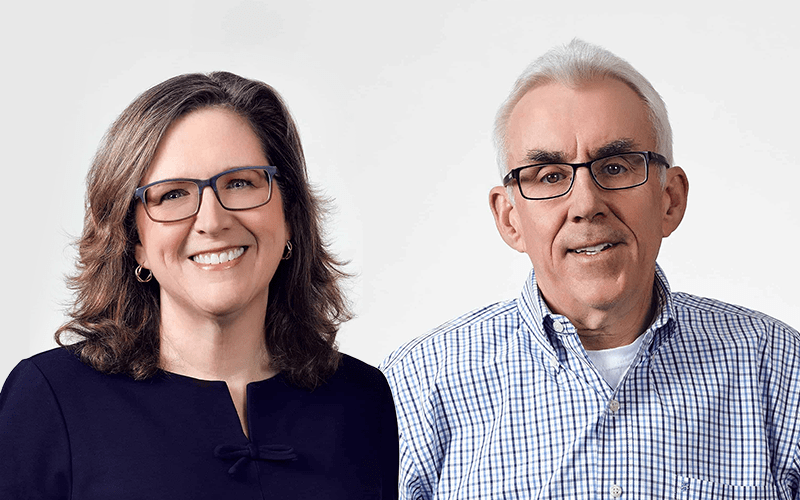
    Like many things recently, the third floor of 620 Main Street has changed as two Western New York advertising mainstays have decided to retire from The Martin Group. And while we’re sad to see the empty offices of Media Director Robin Needham and Senior Vice President of Public Relations Dick Shaner, we’re excited for their next journey and grateful for the time we shared together.

    Across a 33-year tenure in advertising, Robin Needham played a significant role in shaping the local media planning landscape. Her career began at Abbey, Mecca & Co., where she spent more than two decades before moving to some of Buffalo’s premier agencies, including Mower, SKM Group (Farm), and Travers Collins before joining The Martin Group in the summer of 2014.

    In the past seven years as Media Director, Robin has established herself as an incredible collaborator and agency leader. Her diverse skill set, including account service, media strategy, planning, management, research, and buying—partnered with her warm, welcoming personality—has helped her develop strong client relationships across multiple industries.

    Along with her work with clients like BestSelf Behavioral Health, Niagara Lutheran Health System, and Samaritan Medical Center, Robin has always had a strong connection with the YMCA Buffalo Niagara. Her work implementing strategies and media management for the YMCA dates back to her time at Travers Collins but has since expanded to being named to YMCA Buffalo Niagara’s Association Board of Directors.

    Dick Shaner’s long career in public relations began nearly 40 years ago with Empire of America Savings Bank. There, he quickly helped them earn national recognition and worked his way up to Assistant Vice President of Marketing.

    Fast forward to 1994, and Dick’s path to The Martin Group truly began as he joined Collins & Company, eventually becoming Travers Collins. He enjoyed a short run at Crowley Webb but ultimately returned to Travers Collins shortly before they were acquired by The Martin Group. Across all of these stops, Dick was able to pile up the accomplishments—including an unprecedented 100 PRSA Excalibur Awards and PRSA’s May C. Randazzo Outstanding Practitioner and Board of Directors’ Distinguished Service Award.

    And while these accolades are proof that Dick was well-respected across the industry, his efforts to uplift his community paint a broader picture of who he is outside of the agency. He co-founded the Against the Storm Foundation, a nonprofit that helps fight blood cancers while also helping to build awareness surrounding the Catholic Charities’ Annual Appeal. Dick has been a longstanding volunteer and supporter of Sisters of St. Francis of the Neumann Communities, the Leukemia & Lymphoma Society, and the Better Business Bureau of Upstate NY, amongst others.

    While their retirement is, of course, bittersweet for their colleagues at The Martin Group, we are thankful for the impact Robin and Dick have had on the agency, the industry, and our clients. We’re especially grateful for their infectious, positive attitude they brought to the office each day, and we are thrilled for this new opportunity for them to spend as much time as possible with their families.

    Congratulations, Robin and Dick!