• She’s Got Next: Jessica Gelman

    You searched for new era cap – Page 20 of 31 – The Martin Group
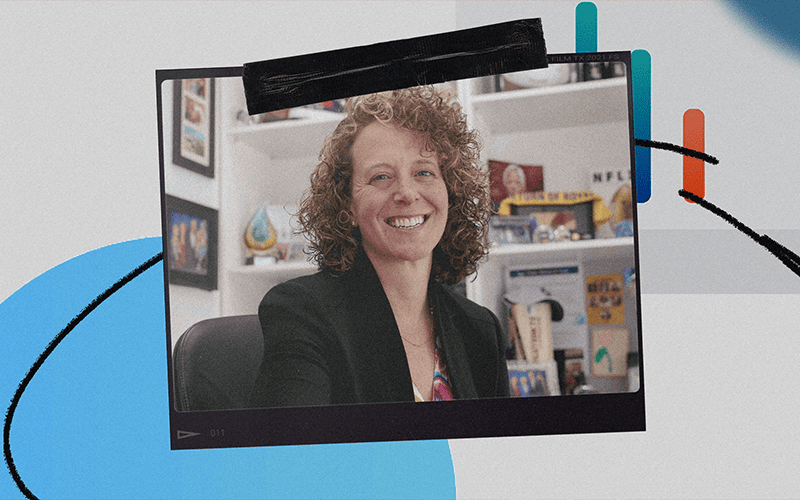
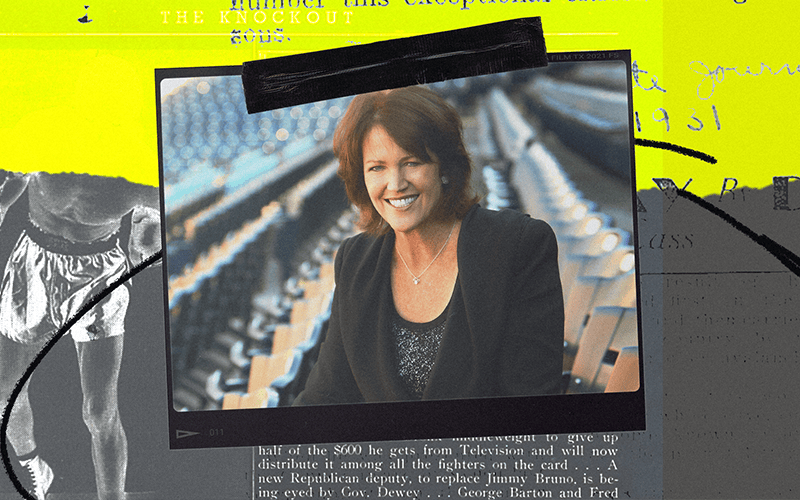
    Jessica Gelman is the CEO of Kraft Analytics Group (KAGR) and co-founder and co-chair of the MIT Sloan Sports Analytics Conference. She is a minority partner in the Utah Royals of the National Women’s Soccer League (NWSL), and serves as an alternate governor on the league’s board. Jessica, who played Division I basketball at Harvard, previously led business operations, marketing and strategy for Kraft Sports & Entertainment.  

    As a woman with roles in both sports and in tech, what challenges did you face to having your voice heard and your vision taken seriously? How did you overcome those challenges?

    Of course, I’ve faced challenges. Working in the sports industry for 21 years, a significant differentiator for having my voice heard is through data and analytics. In addition to sharing my perspective, the ideas are rooted in data and insights from the customer.

    As an example, early in my career, I was part of a group of executives looking to improve the game-day experience for fans. I shared that, based on customer feedback, one of the biggest challenges was the gate entry process. The person responsible for that area came at me aggressively, asking “What do you know? You’re not out there not running it.” While I appreciated and accepted that, my response was that this customer feedback was steeped in data. The data overwhelmingly reinforced which challenges were the most significant pain point and allowed us to focus on what to address. 

    Obviously, I feel very fortunate to work with innovators like Robert and Jonathan Kraft who embrace analytics and did it long before others in the industry.  This ensured my voice (and the data) was heard which ultimately, created opportunity and significant growth of the Patriots fanbase.

    What are some ways that data and analytics can be used to benefit women sports, both on the playing field and in the business office?

    There are three primary ways: sponsor valuation, player data, and data to support women in leadership roles to drive better equity for women’s sports.

    On the business side, the focus is how we define the value of women’s sports sponsorship. Historically, value was based on eyeballs – viewership and attendance. Obviously, those are important, but women’s sports highlight a different and higher level of engagement – a level of fandom that has more depth. The impact of sponsoring a sports team or organization is evolving due to the one-on-one trackability of how people are responding and reacting.

    The metrics for sponsorship are evolving in real-time which should support and help elevate women’s sports.  Importantly, women’s sports have had limited coverage. As more games are broadcast via more direct-to-consumer mediums and more direct fan interaction with athletes through social media, we see a need to evolve and reset how sponsorships are measured.

    The second area is player data. It was seven or eight years ago when Sue Bird first came to the MIT Sloan Analytics Conference. That first year, she was trying to understand the evolution of analytics, but didn’t have her own data to learn and make adjustments. When coming back the next year, Sue wrote a piece in the Player’s Tribune that highlighted the lack of player data for female athletes.

    We are just starting to see movement and performance tracking, not just for women’s sports but many Olympic sport. At the Sloan conference, we’ve seen a significant increase in the availability and use of player data in sports outside the major male professional sports (e.g. football, basketball and hockey). As more new leagues are created, there needs to be a focus on helping coaches and general managers get the best out of their athletes, to help them grow and improve.  

    Finally, there’s unconscious bias in decision making about where to invest and spend. Historically, men have held these leadership positions and there has been an unconscious bias of investing and thinking differently to engage the female fan.  With more women in leadership roles, especially when women’s teams are part of larger conglomerates, female leaders can ensure the women’s teams get equal footing – the same quality of facilities, the same quality of sales teams, the same attention and focus.

    Recently you invested in Utah Soccer LLC, which includes the Utah Royals, set to rejoin the NWSL in 2024. What attracted you to that investment and why is it important to you?

    A few reasons: women’s sports are undervalued, investing helps ensure more people see women play sports, and Utah is the fastest growing state in the US.

    On women’s sports being undervalued – as a one-time professional athlete who has worked in the sports industry for 21 years, I have seen the growth of men’s sports.  Women’s sports are in its infancy and there’s a tremendous upward trajectory potential. Women’s sports are where the NBA and NFL were in the 1970s.

    Personally, bringing my experience to women’s sports, hopefully, will ensure more people, especially, boys and girls, see women playing sports. Obviously, it’s important for girls to be playing sports given the lessons and skills learned from playing.  These have been so critical to my long-term success in business. I want those same opportunities for girls today and it’s important they have role models, that they see people like themselves playing and succeeding.

    As importantly, for boys, they see the inclusivity and learn to be OK with a woman leading. They learn respect. My boys are 7 and 10 and they love women’s sports. They watch with me; it’s part of their day-to-day life. They also watch football and men’s basketball. But my one son’s birthday is coming up and we’re going to a Connecticut Sun’s game because that’s what he wants to do. And, the quality of play is outstanding too. 

    Lastly, our investing group (Daryl Morey, Corbin Petro, Amy Reinhard, and Jim Steger) thinks the opportunity in Utah is very strong. It’s the fastest growing state from a population perspective and the previous incarnation of the Royals had success and great fan support. Plus, partnering with David Blitzer (part owner of the Philadelphia 76ers and New Jersey Devils) and Ryan Smith (owner of the Utah Jazz the lead investor in the Royals) who are doing all the right things in terms of insuring equity for our women’s team within the broader Utah sports landscape is vital. Helping to create more opportunity in that community is really fun and important. 

    What is one way that businesses – both sports and otherwise – can help build a more inclusive culture?

    Building an inclusive culture needs to be incredibly intentional. At KAGR, we do a couple of different things. First, we have strong female leadership– 75% of the executive team is women. Then, we focus on creating and ensuring people feel welcome and have the right benefits in place.

    Second, we invest into the community and create opportunities for our team.  As an example, we have a great program called KODING with KAGR (KODING standing for Kollaboration of Data in the Next Generation). We reach out local colleges in Boston with a focus on women in sports, women in tech, women in analytics groups to come to our offices for an evening. We share learning on the industry and the opportunities in different areas across KAGR. Students get to learn what a day in the life is like, how to apply the theoretical concepts they are learning in data science or business strategy classes to sports and entertainment organizations.

    Sadly, we still have students who come and shared that they are the only woman in their data science class.  That’s hard to hear. But, they see so many women working in the field, they share that it gives them hope. It’s one of the reasons why it’s so important in this space to reach down and pull people up.

    Lastly, through the Sloan Conference, we are really committed to diversity and inclusion in several ways. The students are so focused on this too which really is so key.  This past year 38% of our speakers were women and nearly 50% were diverse in some way. People attending the conference need to see people who look like them. We have a mentorship program where 75 people are selected for a free ticket to the conference and are paired with a mentor (many of whom are former Sloan Conference student leads). I am so very proud of our collective focus in this space to help ensure that there’s more diversity coming into the industry.

    Lastly, we focus on access to knowledge shared at the conference as all of the content from conference is available online for free. The conference is a non-profit and was founded on educational concepts. At our roots, we’re trying to convene people to talk and further evolve analytics in sports.  

    You were a standout basketball player at Harvard from 1993-97. What are some of the lessons you learned from playing basketball at Harvard that apply in business?

    I was a point guard in college and my role was understanding the strengths and weaknesses of my teammates and putting them in a position to be successful. That is critical to what I do as CEO. Awareness and understanding when people are struggling and providing them with the tools to be successful or where they are succeeding and helping them lean into those strengths. That point guard mentality has always been part of my ethos.

    Of course, in playing sports, the lessons are numerous: learning how to win which means work ethic and how to prepare via practice. Learning how to be on a team. How be a leader. How to overcome adversity. When you lose how do you respond to that? You’re going to lose, going to fail, so what do you learn from that?

    As an example, my freshman year at Harvard (1993-94 season), we were very bad. We went 7-19. Then, the next year, we went from worst to almost first, losing the last game in an embarrassing fashion.

    How did we respond? How did we overcome that?  Ultimately, for that time, we became the best team in the Ivy League and were nationally ranked. We were the first Harvard women’s team in the NCAA tournament (junior year, 1995-96) and the first men’s or women’s basketball team to go undefeated in the Ivy League (14-0 in 1996-97).

    That’s a lesson that I rely on every single day.

    Lastly, playing sports taught me time management, especially at Harvard with academics and basketball. Today, I have a lot of competing needs and priorities that extend beyond KAGR, Sloan and the Royals with the most important to my family, my wife and our kids. My time as an athlete helped me learn how to manage all of these competing needs and interests.  I am forever grateful for the skills developed through sport.

  • The Martin Group Earns 22 Awards at PRSA Buffalo Niagara Excalibur Awards, Including Platinum “Best in Show”

    You searched for new era cap – Page 20 of 31 – The Martin Group

    Agency recognized for excellence in public relations, public affairs, social media and content development over the past year

    BUFFALO, NY (September 26, 2023) – The Martin Group received a total of 22 awards – the most of any organization – at the 2023 PRSA Buffalo Niagara Excalibur Awards ceremony, celebrating a year’s worth of work across the agency’s public relations, public affairs, social media and content teams. The Martin Group’s winning projects, announced September 21 at Tewksbury Lodge in Buffalo, represent the agency’s commitment to excellence and its growing presence in Western New York and beyond.  

    The annual Excalibur Awards honor the best in public relations campaigns and tactics in the Buffalo Niagara region. Since 1990, this event has celebrated countless communications leaders in Western New York, while shining a light on meaningful work that is making a difference in the community. Each submission is judged by various PRSA chapters across the country.

    The Martin Group celebrated six gold, 12 silver, and three bronze awards, as well as one of the highest honors of the night – the Platinum “Best in Show” award for a campaign amplifying the National Football League’s thought leadership on flag football and advocating for its adoption as a girls’ high school sport. Each award showcases the agency’s robust capabilities and its daily efforts to deliver exceptional results for trusted clients and partners:

    Platinum Award:

    • NFL: Amplifying Thought Leadership on Flag Football

    Gold Awards:

    • NFL: Amplifying Thought Leadership on Flag Football
    • Independent Health’s Impact on the Western New York Community
    • The Independent Health Foundation: Celebrating 30 Years
    • Fashion Outlets of Niagara Falls USA: Back-to-School Influencer Campaign
    • Galbani Cheese: Integrated Influencer Brand Campaign
    • Western Governors University: Online Education Can Boost the Nursing Workforce

    Silver Awards:

    • Tops Markets: Strength and Resilience – Reopening Buffalo’s Jefferson Avenue Store
    • M&T Bank: Amplifying M&T’s Commitment to Multicultural Communities
    • PaintCare Launches Paint Recycling Program in New York State
    • Greenlight Networks: Strategic Expansion Across the Empire State
    • Austin Air Systems: Western New York’s Clean Air Educators
    • The Martin Group: Covering Politics and Government During Changing Times
    • The Martin Group: Covering Tragedy – Reflections from WNY Journalists on the Front Lines
    • PaintCare: Press Kit for New York State Launch
    • M&T Bank Launches Tech Hub at Lafayette Court
    • Greenlight Networks: Bringing Fiber Connectivity to North Tonawanda
    • Chautauqua Institution: Reflections with Op-ed in Leading Regional Newspaper
    • Wallace Turner Law: Introductory Blog Series

    Bronze Awards:

    • Fashion Outlets of Niagara Falls USA: 2022 Community Relations Campaign
    • NYSSPA: PAs Arrival to New York State’s Political Landscape
    • Western Governors University: Tuition Partnership with KFC

    “At The Martin Group, our team is constantly working alongside our clients to develop comprehensive and collaborative campaigns that make a difference for their organizations and for the communities they serve, and it’s always rewarding to see that dedication recognized,” said John Mackowiak, Vice President of Public Relations at The Martin Group. “We are grateful to our amazing clients for the opportunity to support their missions, strengthen their brands and advance their goals, and we’re excited about the work ahead in the years to come.”

    During the 2023 Excalibur Awards, the PRSA Buffalo Niagara also awarded top individual honors, including the Outstanding Executive Award and May C. Randazzo Outstanding Practitioner Award. John Persons, Chief Operating Officer of Northeast Grocery and former President of Tops Markets, earned the Outstanding Executive Award, and he was introduced by Matt Davison, Chief Business Officer at The Martin Group.

    “We were honored to support our client Tops Markets and John Persons over the last year as he guided his Tops family and supported our community with strength and empathy in the aftermath of an unthinkable tragedy,” said Matt Davison, Chief Business Officer at The Martin Group. “Throughout his years at Tops and now at Northeast Grocery, John Persons has always valued clear, consistent communication, understanding its importance when serving the community and guiding a workforce of about 14,000 people. He is more than deserving of this honor.”

    About The Martin Group

    The Martin Group is a leading integrated communications firm headquartered in downtown Buffalo with office operations in Albany, Rochester, and New York, NY. The firm works with best-in-class organizations ranging from small businesses to global enterprises and has extensive experience in several industry verticals, including sports, healthcare, financial services, food and beverage, education, professional services, and not-for-profit support. Continually recognized for marketing communications excellence by the American Advertising Federation, the American Marketing Association, the Public Relations Society of America, and the Academy of Interactive and Visual Arts, among others, the agency has been previously selected as a “Top Private Company” and “Fastest Growing Company” by various regional news publications. For more information on The Martin Group, visit martingroup.co or follow the agency on Twitter @martingroupco.

  • Fall tastes are here—and we have favorites

    You searched for new era cap – Page 20 of 31 – The Martin Group

    Every season brings its own collection of signature tastes, but none may be more evocative than the flavors of fall.

    Hand-picked apples, cider donuts, and nutmeg-accented beers. Pastries, pies, and coffee drinks infused with pumpkin. Cinnamon, caramel, and maybe a nip of bourbon sneaking its way into a variety of creations. The delicious aromas can bring up visions of falling leaves and the comfort of quarter-zip fleece; and a bite or sip of any seasonal selection can awaken the senses against an ebullient backdrop of orange, red, and yellow.

    This description is quite romantic—but it’d all be simply colorful fluff if we at The Martin Group didn’t sincerely find these flavors straight-up delicious.

    Fact: We’re fans of fall, and across our offices in Buffalo, Rochester, Albany, and New York City, we’re excited about feasting on some of our most-craved drinks, orchard delicacies, and breakfast desserts over the next few months. In honor of September’s celebration of all things food and beverage, we gathered our team members from across the state for their tastiest regional recommendations, all so you can add a few seasonal treats to your own list of Empire State must-tries.

    Here are some of our favorites:

    The fan: Sarah Warner, Senior Account Manager – BUF

    The order: Pumpkin Spice Latte

    The place: Remedy House – Buffalo, NY

    Let’s start with a seasonal staple found at one corner of Buffalo’s Five Points micro neighborhood. Remedy House is known for its coffees and croissants, but when the leaves start falling, it’s time to order up the steamed milk and house-made amaretto syrup of the locale’s popular autumnal offering.

    Sarah says: “I look forward to a pumpkin spice latte at Remedy House every fall. They have some of the best local coffee, and every visit is like a quick Parisian vacation on Buffalo’s West Side.”

    The fan: Madeline Rickett, Public Relations Coordinator – ROC

    The order: Candy apple

    The place: Powers Farm Market – Pittsford, NY

    We’re entering the peak of apple season—but candy apple season? Yes to that, too. There’s no reason this sweet treat should be relegated solely to the kiosks of county fairs, and thanks to the good people at Powers Farm Market, they’re available at an idyllic Rochester-area destination all season long.  

    Madeline says: “There’s nothing better than a crispy candy apple, and I love that, at Powers, they make them right in front of you. It reminds me of making candy with my grandma as a kid.”

    The fan: Chris Colton, Public Relations Director – ALB

    The order: Flavored Kettle Corn

    The place: Windy Hill Orchard – Castleton, NY

    Candy apples aren’t the only under-the-radar indulgences available this fall. For those headed to Windy Hill, there are the crunchy offerings of Kettle Corn NYC, which rolls its seasonally appropriate flavors like caramel glaze and cinnamon into the orchard throughout prime U-pick months.

    Chris says: “When we’re apple picking, I smell that fresh kettle corn down the hill, and everything in my body tells me: ‘It’s fall, your favorite holidays are around the corner—and by the way, you’re hungry.’”

    The fan: Ava Blumberg, Account Manager – NYC

    The order: Apple Crumble Donut

    The place: Peter Pan Donut & Pastry Shop – Brooklyn, NY

    One way to ease into our new NYC office: Familiarize ourselves with our surroundings, and find a delectable donut place. A little trip to Peter Pan answered both of these needs, delivering an apple-centric fall favorite for our staff, as well as a savory reason to cross the Brooklyn Bridge.

    Ava says: “The apple crumble donut is so tasty, and Peter Pan donuts are a staple in Greenpoint. I’m looking forward to keeping the fall vibes going as NYC transitions into autumn!”

    The fan: Leanne Politi, Public Affairs Supervisor – ALB

    The order: Tales from the Café

    The place: Novel Biblio Brew – Schenectady, NY

    Settling into sweater weather can call for a good drink. Thankfully, our Capital Region friends at Novel Biblio Brew have an aesthetically pleasing concoction—consisting of Counter Culture coffee, Woodford Reserve bourbon, maple syrup, and a demerara sugared rim—that’ll complement your favorite crewneck.

    Leanne says: “Looking forward to making this my go-to cocktail of the fall season because it’s the ultimate comfort drink, and bonus: it’s made of ingredients from several Capital Region producers.” 

    The fan: Gail Sklair, Senior Production Designer – ROC

    The order: Pineapple Jalapeño Cider

    The place: Oak & Apple Cidery – Penfield, NY

    If coffee-accented fall cocktails aren’t your style, then let’s slide to another New York spot for a cider that’s both sweet and refreshing—with just the slightest hint of heat. That’s what’s on tap at Oak & Apple, as well as the unanticipated chance to add pineapple and jalapeño to your favorite fall flavors.  

    Gail says: “The Pineapple Jalapeño cider is wonderful—clean and crisp with a touch of spice—an easy drink. Nothing says fall like cider and donuts, and now I have my adult fall drink.”

    The fan: Frank Conjerti, Creative Director – BUF

    The order: Eternal Equinox Fall IPA

    The place: Briar Brothers Brewing Co. – Buffalo, NY

    Finally, what would fall be without one seasonal beer to hoist at a Buffalo Bills tailgate bash, beside a backyard fire—or in the case of Briar Brothers, at the base of a renovated grain elevator? This hop-forward favorite embodies the spirit of fall, and provides an IPA respite from the brown-hued selections of the season.

    Frank says: “I’m always on the lookout for a good IPA—and as the sweaters come out, this one hits the spot. If I can sip it outside with some football and soft pretzel bites, even better.”

    Want to learn more about the experience, hobbies, and tastes of The Martin Group? Meet the whole team here.

  • She’s Got Next: Christine Brennan, Sports Columnist

    You searched for new era cap – Page 20 of 31 – The Martin Group

    Christine Brennan is an award-winning national sports columnist for USA Today, a commentator for CNN, ABC News, PBS NewsHour and NPR, a best-selling author and a nationally-known speaker. Named one of the country’s top 10 sports columnists multiple times by the Associated Press Sports Editors, she is a past president and current board chair of the Association for Women in Sports Media.

    Women’s sports have a pretty good track record of capturing attention for big moments – from the 1999 Women’s World Cup to the latest NCAA basketball tournament. So why do women’s sports still seem on the outside of daily sports conversations?

    On the national stage, we have these moments, and there are many more than there used to be which is good news. But then it becomes more regionalized, or just kind of fades away until the next big, big moment. I think women’s sports are in a better place now than they’ve ever been. Today is the greatest day for women’s sports in the United States — until tomorrow. There’s no doubt about that.

    On one level, we’re impatient. Those of us who believe so strongly in Title IX and the power of women’s sports, and the success of women’s sports, we want it to happen faster. On the other hand, we have such a crowded sports calendar at a time when everyone’s attention is diverted to whatever they care about.

    We all forget sometimes that men’s sports have also had problems. The NBA was in trouble in the late 1970s and the NBA Finals were even shown on tape delay. Then came Magic and Bird. But we don’t focus on that, because that’s a while ago. The other thing to look at is when men’s sports started compared to when women’s sports began. The NBA started in 1946. The WNBA started after the Atlanta Olympics in 1996. So, the head start men’s basketball had over women’s is extraordinary. The first NCAA Men’s Basketball Tournament was in 1939. The first NCAA Women’s Basketball Tournament was in 1982. A little bit of a head start, right? We can look at it this way: it’s a 100-meter dash, and the men are close to the finish line and the women have basically just gotten out of the blocks. Can you imagine where we’ll be with women’s sports if this growth continues at the same pace?

    Female athletes seem to be driving much of the conversation around cultural change. Why do you think that is?

    Women athletes, for the most part, have stayed in college and gotten their degrees before having a professional opportunity — if they have a professional opportunity. I think that they tend to be more educated, more civic-minded and more aware. They’ve also gone through more in terms of the issues – sexism, discrimination, being lightly regarded, being scoffed at  — than male athletes have, although that’s getting better by the day.

    In the WNBA you had the players on the Atlanta Dream actively working against their owner, Kelly Loeffler, who was running for the Senate. We saw pictures of Atlanta players wearing shirts supporting her opponent, Raphael Warnock. When have we ever seen that before? You have players on the team owned by a woman running for the Senate who are actively campaigning for her rival. That’s remarkable.

    I think that shows how these athletes get it. They have not made the money the men have made. They have other interests in their lives, in part because they have to, because they’ll never be billionaires playing their sport. They’re more in tune to the world, I think, because their life hasn’t been coddled, they haven’t had the same sense of entitlement of many male athletes, so they are more aware and I think that makes them better citizens. I’m not saying male athletes are not good citizens. There are some amazing male athletes doing great work, but I think female athletes tend to be more aware as citizens and more outspoken.

    Think about Megan Rapinoe at the 2019 Women’s World Cup in France. When has a U.S. athlete been wearing the red, white and blue, competing on foreign soil and leading the U.S. to victory while having to fend off the President of the United States on social media? Who would have ever thought I would ever say that sentence?

    As a sports columnist, did you ever feel like it was an uphill battle to be heard or taken seriously?

    I was very, very fortunate. I was launched out of Northwestern University with my undergrad and master’s degrees in journalism into the career of my dreams. I had three summer internships and one fall internship during my undergrad years, so I was ready for this and so confident and so comfortable, and never doubted that I belonged.

    I came out of college in 1981, a time when some newspapers still had not hired a woman in their sports department. I was the first woman sportswriter to be hired full time by the Miami Herald. Let’s be honest: if I had been a white male, I would not have gotten that job, because they wanted and needed to hire a woman. Now, the previous summer, I had interned with the Herald, so they knew me. I didn’t feel like it was a gift at all. They saw my work and wanted me back. But if I had been a white male, I would not have gotten that job, and it’s very important to say that.

    To me, it’s all about what you do with what you’re given. I took that opportunity and ran with it. How fortunate I was to have such a huge platform right off the bat. I covered the Miami Hurricanes in 1983 when they won their first national championship, and I was the only reporter — the only outsider, frankly — who was there every day from August 1983 to January 2, 1984, when they beat Nebraska and won the national title. Within a few months, I covered my first Olympics in Los Angeles and after that I went to the Washington Post. 

    I’m so fortunate in that I’ve always been heard. I’ve always been treated equally. I’ve always been given great opportunities, and I’ve never felt that I didn’t have the support of my editors. One of the reasons I became president of AWSM (Association for Women in Sports Media) was because I wanted to fight for those women who haven’t had the opportunity that I had. So many women don’t get those opportunities, or are treated unfairly, or are minimized by a sports editor. I’m fighting for them. I’ve worked hard, but you also have to be lucky. I’ve been so fortunate, so lucky, and I absolutely want to give back every way I can.

    What advice would you give to women who are looking to get into the sports media field?

    It’s a really hard time and jobs are scarce. Many news organizations are cutting people, cutting jobs, downsizing, and sometimes the news organizations themselves are going away. But what I tell students all the time is that good people will make it, so work hard. Just keep plugging away.

    Read everything. Have subscriptions to newspapers, read books, read fiction, nonfiction, whatever you want. And prepare yourself for the adventure of a lifetime, which is what journalism is. It’s just the greatest thing ever. It’s harder and harder for these younger people to break in, but that doesn’t mean they won’t break in.

    One piece of advice I give to all the students I mentor is to use the internet to help find a job. What I would have given to have the internet when I was looking for jobs! Students can search the websites of news organizations, they can send emails — cold, out of the blue emails, which I absolutely encourage.

    Before I got my job offer from the Miami Herald, I pulled an all-nighter typing letters on an electric typewriter to 50 different newspapers, including the New York Times, Washington Post, LA Times and Chicago Tribune. I photocopied some of my best stories, had my resume typeset and then put them all together with the individual letters in big envelopes and mailed them out. When I tell students that, and I do tell that story often, they’re shocked. And I tell them how fortunate they are to have the internet, but also, you really have to want to work that hard. No one is going to hand you anything.

    My advice is to tell students as they’re reading and/or watching stories from around the country, to email that newspaper or TV reporter whose work they really like and start a conversation. Pretty soon, you might be visiting that city so you ask that reporter if they have time for lunch or coffee. Most people say yes to that and now you have a mentor, or at least a connection to that news organization. You have someone on your side. Now, say someone at that newspaper or TV station goes on maternity leave a year or so later, and that reporter you got in touch with remembers you as an impressive student and puts your name forward. You’ve now turned a cold email into a job.

    You’re probably saying to yourself, Christine Brennan has lost her mind. Well, I gave that exact career advice to a woman who was getting her master’s in journalism from Northwestern: to just send out cold emails. And guess what? That student didn’t get one job offer. She got two. I use this example all the time. People have to be willing to work for this.

    What might be flying under the radar in women’s sports that we should be paying attention to?

    Keep an eye on flag football. The NFL is all behind flag football and it’s starting to become a high school sport for girls. I wouldn’t be surprised to see it moving into colleges. If the NFL is supporting something, and it sure is supporting flag football, especially for girls and women, watch out. The NFL can flex its muscles and really push high schools and colleges. I’m all for it, as long as it doesn’t hurt other girls’ sports and as long as athletic directors don’t take away other girls’ sports.

    There’s certainly a chance it’s going to become an Olympic sport someday. How does the International Olympic Committee not take a meeting with Roger Goodell on this? I think that’s fascinating. And the NFL realizes the power of women’s sports. They also of course have decided that they want women to be playing a form of football because they want to keep girls and women as fans of the NFL for life. And with the issues of CTE and concussions in the forefront, they’re looking at a safer way for people to play football and still love watching the NFL on Sundays.

    Two other things I’m looking at in the next 50 years of Title IX are women coaching women, and women’s sports doing a much better job of reaching girls in underserved urban and rural areas. First, we absolutely must have women coaching women. It’s just unbelievable to me that so many universities have men coaching women in their marquee programs like women’s basketball, softball and soccer. It’s nothing against men. It’s about creating female role models for girls and women. When these male coaches leave or resign, schools have to hire women to replace them. There are so many young women out there now who are in the coaching ranks who need the opportunity. And we want to show our daughters and our nieces and our granddaughters that women can do anything in sports, including coach. If they see only male coaches on the sidelines or on TV, that’s a bad message in terms of the growth for women in coaching.

    The second piece is making sure that we reach underserved urban and rural areas with the opportunities granted by Title IX. We’ve nailed the suburbs. We are reaching suburban girls and will continue to succeed where people have money to put their girls in travel and club teams and get college opportunities. It’s an absolutely amazing success. Where we’re missing out is some urban and rural areas. How is the U.S. women’s soccer team that’s about to play in the 2023 World Cup not 50-50 Black and white? It is better than it has ever been, but still not 50-50. We know why. In general, soccer has been a mostly suburban white girls’ sport. There’s nothing wrong with that, but we have to do a much better job of reaching girls of color. That’s the next challenge for Title IX.

    As we know, Title IX is not just about sports. It’s about teaching the other half of our population about winning and losing at a young age, about teamwork, about sportsmanship, about physical fitness. Now that girls and women are learning those life lessons as boys and men did for generations, we are seeing the incredible growth of women leaders in our country. Moving into the 2030s, 40s, 50s and beyond, we of course will have women presidents and more than 50 women senators and more than 50 percent women in Congress, as well as more women CEOs and college presidents and the like, and the common denominator for all those women will be that they played sports because of Title IX.

  • Bridging the Funding Gap in Healthcare

    You searched for new era cap – Page 20 of 31 – The Martin Group

    We are now three years out from the start of the pandemic, but the healthcare industry is still actively struggling with the financial consequences. As seen by nearly all industries over the last few years, staffing has been a huge challenge, inflation has been consistently increasing prices for goods of all kinds, and supply chains are just now starting to return to normal.

    So, what got us here, what effect has this financial crisis had on healthcare organizations, how will that affect local communities, and what can our team do to help?

    Staffing

    Since the beginning of the pandemic, many healthcare workers have left the field of turned to contract work (such as traveling nurses), resulting in healthcare organizations searching for employees at exponential costs. To continue providing services and keeping beds available for their patients, most healthcare organizations increased wages and benefits for their contracted employees, along with complying with raised rates for agency employees. According to Kaufman Hall, 2022’s reported contract labor expenses were approximately 500% higher than they were pre-pandemic and expenses for full-time equivalents for hospital contact employees jumped more than 138%. This is an unsustainable increase as labor costs account for more than half of most hospitals’ total expenses. It was reported that labor expenses for healthcare organizations increased by 24.7% per patient.

    Looking ahead over the next five years, the U.S. is projected to face a shortage of more than 3.2 million low-wage healthcare workers including essential positions like medical assistants, home health aides, nursing assistants, and more. New York State is projected to have the highest shortage of low-wage healthcare workers, with a projection to fall short by nearly 675,000 workers by 2026. Healthcare organizations will need to invest highly in their workforce and talent pipeline to ensure they can supply the necessary beds, services, and care for their community’s needs.

    Rising Expenses and Decreasing Margins

    In addition to the aggressive increases in staff pay, there have been notable increases in the expenses for supplies, personal protection equipment, technology, and pharmaceuticals. While this inflationary trend continues, these organizations can expect to lose billions to increased pricing. McKinsey reported that the impact of inflation on healthcare systems could be projected to be just under $100 billion in additional costs between 2022 and 2023, showing a $248 billion increase compared to 2019.

    For 2022, margins were predicted to be down at least 37% with a possibility of being 133% lower compared to pre-pandemic levels. 2022 had consistently negative operating margins due to low patient volumes, decreases in revenue, and high expenses. Furthermore, 50% to 65% of hospitals were predicted to operate in the red for 2022, with continued negative margins seen in the first few months of 2023. Moving into 2023, only 7% of health system leaders think inflation and affordability will not impact their strategies, while 76% think it will have a significant impact on their yearly strategies.

    Although these organizations are facing immense cost increases, hospital rates have only increased slightly. In 2022, hospital prices grew by 2.9%, while general inflation was seen at 8%.

    Consequences of Rising Costs

    The results of rising costs in partnership with other external issues such as the aging population, the rise in chronic diseases, and lacking workforce pipeline could be catastrophic to hospitals, healthcare systems, and local communities. Communities at large are at risk of losing their access to quality healthcare if the funding crisis isn’t resolved. For example, the state of Michigan has already lost nearly 2,000 staffed hospital beds since the pandemic began. With few resources, the results can range from longer emergency room wait times, to reduced services, difficulty transferring patients, inability to find the right care setting for patients, or more acquisitions or closures of hospitals and health systems. In the first quarter of 2023, the highest number of bond defaults among hospitals was seen in over a decade. Hospitals in rural areas have been hit especially hard. Since 2010, 143 rural hospitals have closed, with 19 of those occurring in 2020.

    Capital Campaigns and Annual Campaigns Can Bridge the Gap

    One way our team can help healthcare organizations struggling financially is through a capital campaign comprised of a targeted fundraising effort with a set goal or timeline. Capital campaigns are utilized for a specific purpose such as acquiring or renovating a facility, purchasing expensive equipment, or building an endowment. While these types of campaigns do not always assist with ongoing operating expenses, they do help achieve organizational goals along with increasing the visibility of foundations, missions, and projects.

    Our team partnered with ECMC for the “No Giving Up” capital campaign, which helped gain support and progress for the opening of the new, state-of-the-art Trauma Center and Emergency Department. ECMC gained the attention of potential donors through sharing the organization’s current struggles, both internally for the team and externally for patients, along with how the support of donors contributed to the development of the facility and the level of care provided in the busiest trauma center and emergency department in WNY.

    If your organization is concerned about combating the current financial crisis affecting your operational costs, an annual giving campaign may be a better fit for your team. This type of campaign can run without a set goal or timeline; instead, the outcome is to offset the increasing prices and financial pressure put on the organization. Annual giving campaigns or annual funds help tell employee, patient, and community stories to show the impact your organization has each and every day on the local area.

    Another example of our work is the award-winning campaign for the Patricia Allen Fund that benefits Oishei Children’s Hospital. This campaign began as a way to commemorate Patricia Allen, the Buffalo Bills’ quarterback’s late grandmother, through $17 donations, but has turned into a major fund that has consistently assisted the hospital’s operation over the past three years. The impact of this campaign is so large, there is now an Oishei hospital wing dedicated to Patricia Allen.

    All in all, we can partner with your team to help broadcast the goals of your organization through a campaign, along with sharing the gravity of the current financial crisis. Our team can also advise you on the appropriate campaign type, target audience, and proper media tactics to gather much-needed support from your local community. Let us help you show the possible consequences if this issue is not dealt with, such as removing staffed beds, laying off employees, or even closing facilities. What services are at risk? How will those losses affect individuals? What can donations do to prevent that?

    Healthcare is a huge provider of services, jobs, and other support to the communities in which they serve. We can help your healthcare organization share that message and gather the needed financial support to weather these challenging times.  

    If you’re interested in hearing more about our healthcare experience, please contact VP of Business Development Kelli Putney.

  • Threads by Instagram – What You Need To Know

    You searched for new era cap – Page 20 of 31 – The Martin Group

    Threads has taken the internet by storm, taking advantage of the downward trend of interest and engagement with Twitter to raise excitement for their new platform. While it’s unclear whether Threads will be around for the long-haul, the massive number of users who have signed up so far points to it being a major player in the conversational social media space. 

    We’ve created a breakdown of the current state of Threads and what you need to know to best leverage this new social media platform. 

    What exactly is Threads? 

    Threads is a sister app to Instagram that is primarily focused on text content. While it’s lacking some capabilities, Threads includes some of the key features you might remember from the early days of Twitter: 

    • Post text, images, and videos to your account 
    • Reply to any post to create a thread 
    • View your feed in chronological order 
    • Block any users whose content you don’t want to see 
       

    What features are missing? 

    Threads is in the very early stages of development, so there are some glaring things missing to users familiar with Twitter and Instagram: 

    • No hashtag support 
    • No trending topics 
    • No direct messaging 
    • No editing once you post 
    • No management through the Meta Business Suite 
    • No feed for only accounts you follow 

    How does Threads work with Instagram? 

    Threads makes it easy to login and create an account by syncing directly with Instagram. You can pull in your profile image, bio, and follower list with a few simple clicks. 

    If you are viewing a post on Threads, you can easily share it to Instagram as Story or Feed post with a simple click of the Share button. 

    Currently, you need to post your content to Instagram or Threads independently, but we do expect the doors to open for integration with third-party social media tools in the future. 

    What are businesses using Threads for? 

    Threads has some major “first day of school” vibes. Everyone is logging in, seeing how it works, and having a good time. It’s more focused on entertainment than information or education; however, we anticipate this changing over time. 

    Brands that have a lighter and playful tone are engaging pretty heavily on the platform, with most other companies taking a step back to see where the platform is going. You should think of Threads as a conversational social network—more focused on having dialogue back-and-forth rather than a one-way broadcast. 

    At launch, there are currently no features to advertise on Threads—and we don’t anticipate seeing that within the first six months. Mark Zuckerberg has stated that they will “see if we can get [Threads] on a clear path to 1 billion people, and only then think about monetization at that point.” 
     

    What should I do about Threads right now? 

    We’d recommend if you have an existing Instagram account to download Threads and set up your profile. Now is a great time to observe how the platform evolves and get prepared to engage when it makes sense for your business. 

    While Threads is like Twitter, there is no guarantee that it will be used the same way. Most of Threads’ users come from Instagram and may not have been Twitter users at all. Threads is being built with future support for federated networks, meaning deeper integration with other social platforms to allow you to carry your account with you to different platforms. 

    As the platform begins to settle, better visibility into what content is receiving engagement and how businesses are using the platform will help you establish your own strategy.  

    What’s Next? 

    We’ll be providing regular updates on how Threads is evolving and what you may need to know, so follow us on Threads and LinkedIn.

  • The Future of AI for Media & PR Pros

    You searched for new era cap – Page 20 of 31 – The Martin Group

    This past winter, one of the most popular artificial intelligence (AI) tools, ChatGPT, made headlines for its ability to compose blogs, releases, social posts, and lengthy stories. 

    Has this and other AI tools rendered in-depth journalism and expert storytelling moot? Of course not, but it’s certainly big news for media professionals and consumers alike, which made it a hot topic at a recent Martin Group-attended PRSA chapter event in Dallas, Texas.  

    During a panel discussion entitled “The Changing Newsroom”—intended to review some of the best ways public relations professionals and journalists can collaborate, optimize pitches, and generate strong stories—the topic of AI and its evolving impact on journalism took over the conversation. 

    The PR professionals in attendance were eager to talk about the implications AI may have on communication careers across the board, including their own. What we’ve seen in the past is that often new technologies are met with some fear and maybe even a little resistance. According to the panel, AI technology brings a lot of unknowns to the industry, as well as a rising concern for maintaining industry standards in journalism.  

    Amy Hollyfield, managing editor of the Dallas Morning News, pointed out that AI has the potential to impact the accuracy of news information, newsroom competition, and most importantly, ethics. While the Dallas Morning News has no plans to embrace AI just yet, other outlets are jumping in – which brings up a few essential questions: 

    • How will the implementation of AI change the newsgathering process? 
    • Will news outlets cut even more jobs if AI proves to be efficient and effective at storytelling? 
    • How will news outlets compete and continue to provide readers with the enterprise content they are asking for when AI is generating so much new information at a moment’s notice? 

    The use of AI transcription services (such as Otter.ai) is already common practice for news reporters, as well as content producers and PR professionals at The Martin Group. This tool provides a real-time service to free up more time for storytelling and meaningful conversations with sources. Some reporters are even using AI-generated images to help illustrate their stories. With the evolution of the news cycle and the constant demand for new information, AI may be a tool that newsrooms choose to employ just to keep today’s consumers satisfied.  

    The Associated Press openly uses automation to generate articles like earnings news and sports recaps. AP editors believe that AI can bring a new level of empowerment to newsrooms. For example, assignment editors may potentially look to activate AI to take on more mundane stories, localize national content to increase audience engagement, or leverage the technology’s insight to identify trending regional topics. 

    With this noted, AI comes with plenty of risks, including the capability to manipulate photos and video, plagiarize, and potentially generate false soundbites. Let’s face it, AI doesn’t necessarily follow the same code of ethics engrained in reporters during Journalism 101. And just like with traditionally created content, inaccuracies are possible.    

    It’s becoming clear that, despite certain advantages, editors will have to maintain diligent oversight if they welcome AI into their newsrooms. Some wonder if more outlets leverage AI for research or story development purposes, will they notify readers with disclaimers, similar to how sponsored content is handled today. For instance, when CNET first quietly rolled out AI-generated articles, the outlet received major criticism.  

    If transparency and editorial independence are not maintained, it could incite a variety of issues, including an acceleration of the already-eroding trust between consumers and media. 

    On the PR side, it’s hard to ignore some of the AI workflow efficiencies. Aside from instant transcription services, AI can churn through content to make research easier and, with a little help, polish up articles, emails, and news releases to ensure messaging is hitting the mark for the intended audience. AI can also help PR pros do our jobs better by aiding in identifying media contacts, tracking media impressions, and monitoring coverage trends. We can even hold brainstorming sessions using AI to generate new ideas and strategies.  

    Ultimately, this amped up collaboration between humans and our inventions is the biggest takeaway from the tech’s enhanced possibilities. AI can help skilled reporters, content creators, and PR professionals do their jobs better – and this is a positive development. The real value comes in realizing how AI and communication professionals can augment one another – while managing the line that separates appropriate teamwork from scary takeover.  

    If you’d like to learn more about how our content and PR teams can use AI to help your business, reach out to us here. 

  • How Strategic Communications are Driving Growth, Value for Companies

    You searched for new era cap – Page 20 of 31 – The Martin Group

    Strategic communications are an essential offering from integrated agencies, encompassing such elements as comprehensive stakeholder outreach, editorial direction, and analytics measurement that can point the way forward.  

    But over the past three years, how this offering is understood and accessed has changed significantly. Communications services are finally being accessed for the whole of their capabilities, and are bolstering company content needs from the ground up. This progress is tremendous news for businesses and communications professionals, but note: it’s just the beginning of the service realizing its true connective potential. 

    This year, the sixth annual PRWeek/Cision Global Comms Report highlighted this rise of strategic communications and content creation in the overall operation of a business. Throughout their comprehensive breakdown, the report’s authors pointed to various takeaways that will help refine tactics throughout the communications industry—including within our operations at The Martin Group.  

    Here are three takeaways we found particularly insightful, with each informing the work we’re currently doing for our list of local and global clients.  

    Working closely with the C-suite—finally  

    In recent years, there has been a breakthrough in the presence of strategic communications in the C-suite. As a result of managing a global pandemic, responding to social issues and navigating other tricky areas, top executives have become receptive to the role communications can play in companies’ overall business strategies—and not a minute too soon. 

    Communications professionals have a role in activating the considerable amount of persuasive power nestled in the C-suite, one of an organization’s most powerful sources to inform consumers. According to the PRWeek/Cision Global Comms Report, 31% of global respondents cited executives as their top influencer in determining which brands they should support (compared to 41% for celebrities), especially in the realm of financial services (46%) and tech (44%). The report also revealed that customers want to build relationships with companies they trust.  

    These numbers indicate that customers are more likely to support a brand if they feel executives are transparent and authentic, and demonstrate a commitment to social responsibility. More frequently, especially over the past two years, The Martin Group has been working with clients eager to amplify their executives, and in turn, strengthen this needed connection with customers. Through the development of comprehensive public relations plans—led by the creation of thought leadership, sponsored content, and curated content as well as strategic placement of executives in key speaking and media opportunities—we’ve raised the public profile of C-suite members across various industries. 

    And by introducing diverse, insightful perspectives through this executive-led content, we’re answering strategic communications needs—and having an impressive impact on hard business numbers that affect the bottom line.  

    Employing an integrated approach to analytics 

    According to the report, “The work of strategic communicators has always been based on human relationships and creativity. However, the discipline has long trailed other corporate functions in their embrace of and ability to best take advantage of data and analytics.”  

    Details from this year’s Cision findings indicate those days are over.  

    One in four global respondents in the report cited content ideation, strategy, and creation as the single-most important function when they consider using analytics-measuring tech tools in their PR/communications efforts. (Closely behind was measuring impact/ROI of PR efforts at 21%.) Analytics are being used to strengthen anecdotal details about a company or brand, providing solid mathematical support to back up these flowery assertions—and this is a positive. Not only does this help build credibility with an audience, but this combination of statistics and story provides the C-suite with an engaging story they’d like to lead.  

    Over the past year, this has helped our communications and analytics professionals to collaborate on content that tells a bigger story about a company’s progress and plans. Whether interspersing numbers on geographic poverty rates with the personal stories of a nonprofit, or leaning into positive statistics to tell a story of the impact of healthcare services, this amalgamation of numbers and narrative is now an essential tool in any communications plan, and its use should only continue to expand.    

    Keeping companies in the conversation  

    Throughout the recent shift in how strategic communications are utilized, companies and brands have recognized the importance of participating in conversations—whether online, in the media or elsewhere—about trends or topics that align with their operations or mission. 

    In many cases, these trends or topics can allow companies to highlight a variety of machinations associated with their operations, but can also allow them to highlight supplemental aspects—like DEI (diversity, equity, inclusion), ESG (environmental, social, governance), or other employee-related matters—to build a deeper connection with their communities.  

    Throughout the height of the COVID-19 pandemic, the constraints of our world brought about a feeling of disconnection. This translated to the relationship between businesses and consumers as well. Both sides were desperate to reclaim this connection; through this need, an opportunity arose for companies to tell a deeper story not just about their operations, but about their place in the complicated conversations of the day.  

    Now, this element of communication has become a critical tactic we use in social media and thought leadership content, op-ed development, sponsored content creation, and more: 43% of communicators polled for this year’s PRWeek/Cision Global Comms Report listed “ideate and create compelling content” as one of their most valued tools, and this value continues to rise. Depending on the client—be it managing the financial needs of their customers in a fiscally volatile economy or answering the call during an environmental disaster with important healthcare equipment for impacted communities—we’ve sought to pronounce their roles as business and community leaders, each vital to answering the concerns of their followers as customers and neighbors. Accessing this dichotomy can allow an organization’s brand voice to flourish. Without doing so, their voice can be muted, and they may lose their spot in a conversation they absolutely need to be a part of—and in some cases, leading. 

    This shouldn’t happen. But thankfully, with the heightened and ever-diversifying role of strategic comms, it doesn’t have to. 

    Access the entire 2023 PRWeek/Cision Global Comms Report here. To find out how The Martin Group’s team can help you answer your strategic communications needs, reach out here. 

  • Q&A with Deshanna C. Wiggins, CEO of the Albany Black Chamber of Commerce and Social Club

    You searched for new era cap – Page 20 of 31 – The Martin Group

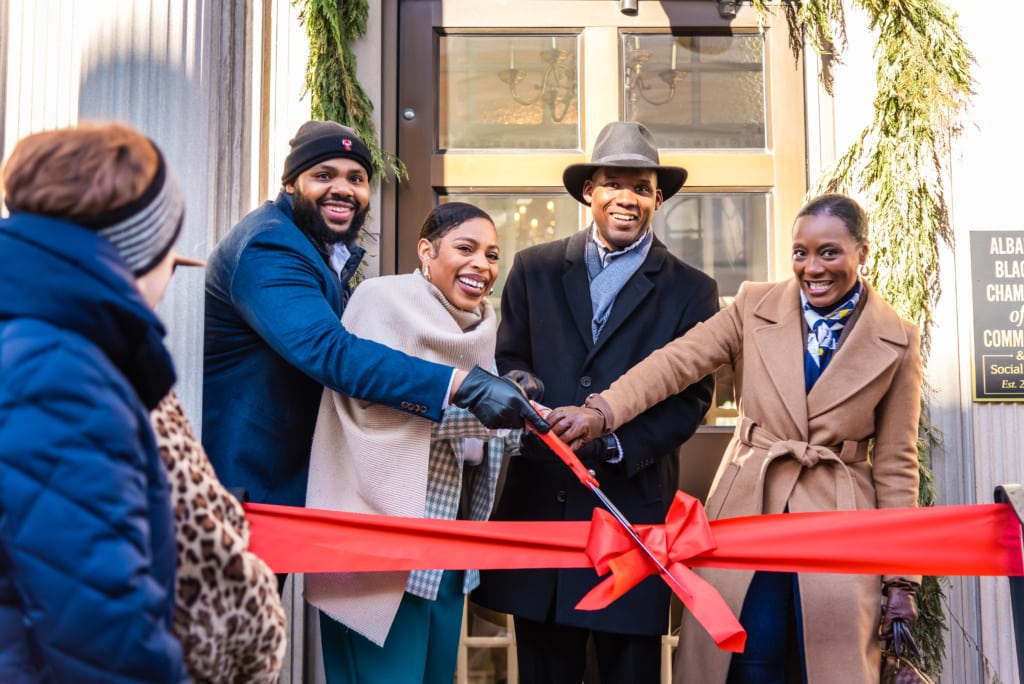
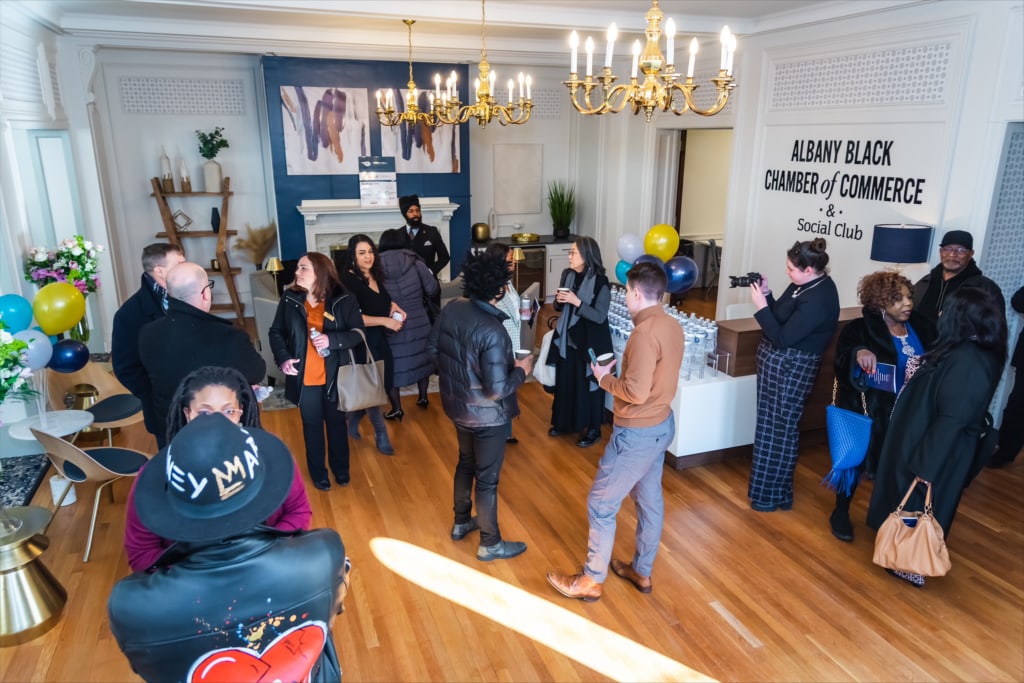
    Starting in 1907, 141 Washington Avenue housed The University Club, a private, all-male association until it began allowing women members in 1983. Deshanna C. Wiggins, CEO of the Albany Black Chamber of Commerce & Social Club offers the inside scoop on the transformation of the building in the heart of downtown Albany into a community-inspired location aimed to catalyze diversity and collaboration. Learn more about the Albany Black Chamber of Commerce and Social Club’s mission to empower Black and minority entrepreneurship and drive economic growth to the Capital Region community.

    The Martin Group: What is the Albany Black Chamber of Commerce and Social Club, and what do you do?

    Deshanna C. Wiggins: We are here to bring local businesses together, so they can work together, learn from one another, and get their needs met. We provide information on partnerships, resources for federal funding, and working/collaborative space to aid in any stage a business is in. Not only are we a Chamber, but we are a social club. The demographic of BIPOC people is increasing [in the Capital Region], but there is a lack of minority clubs for subgroups, cultural groups, and there’s never been anything like this for Black people in this region.

    TMG: Can you tell me more about the new headquarters?

    DCW: We wanted to make sure that we were a full-service organization that can execute big ideas and goals for the future. The 40,000-square-foot building with four floors including the basement will be utilized for business engagement, mentorship, and leadership.

    Our main level hosts a beautiful lobby with two fireplaces, lounge seating, and seminar space that can be converted into an event and dining space for community and social gatherings.

    The second floor is dedicated to small businesses and entrepreneurs who are not quite ready for brick and mortar but have the desire to rent offices. These spaces are available to rent for a day, week, or a month. There are also general co-working spaces available.

    The basement will be accessible for recreational use with a bowling alley, full-service bar, pool hall, conference rooms and restrooms. The estimated plan of completion is by the end of the spring, early summer 2023.

    While not yet available to the public, the upstairs areas of the building are slated to be additional rentable office and residential space.

    TMG: There have been several Black Chambers of Commerce before. What do you feel sets Albany Black Chamber of Commerce aside from others?

    DCW: Resources. The elders’ chambers in this area are about 206 years old. The demographic of small and Black businesses who belong to that chamber is probably less than 5%. Our partner, Business for Good, has supported us so much financially and with resources. They knew that investing was important to assure that we had a permanent space. So, I think the biggest thing that sets this chamber apart is that we are a fully supported resource.

    TMG: In August 2020 , The Albany Business Review released a story, “Lack of Diversity at the Top. It revealed the shocking lack of diversity in Albany’s executive suites. How do you feel the work the Chamber is doing will impact changing that narrative?

    DCW: I think it is going to make the biggest impact! For so long, especially in this area, there was not one place for diversification, information on happenings in the minority community, etc. Now that the infrastructure is being built, it won’t be hard to access that information. It gives us the opportunity to put those middle managers on display; the ones who have been in their careers and have done the work for so long but haven’t been able to get to the next stage. We’ll be able to highlight them and the work that they’re doing so they have more access and more visibility. A lot of times, things happen simply because of access. The chamber will break down a lot of those barriers.

    TMG: What is your vision to continue to change the landscape of the Capital Region community?

    DCW: I’ve had a very particular career set on figuring out the best inroads to meet numerous needs and align with organizations who see the value and benefit of investing in a place like this. I want this space and our demographic here to be able to put BIPOC at tables and involve them in conversations that they have not been a part of before.

    TMG: What is your favorite part about working at the Albany Black Chamber of Commerce?

    DCW: I came into this organization not having anybody else’s shoes to fill. It was very freeing for me. It gave me full autonomy to listen, and curate what needs to happen and how to develop it.

    It’s also very challenging when you don’t have a guidepost – being the person responsible for creating everything from its inception. It is a lot, but it is setting me up to be a much stronger leader, more detail oriented and more collaborative. I’m appreciative of this experience, and the impact that the Chamber and I will have for generations to come. I get goosebumps just thinking about the ideas the team has. It’s really going to catapult the Black and minority community here and really put us on full display. I am super honored and blessed to be able to do it.

    TMG: How does it feel returning to your home city of Albany after living in Atlanta for 16 years?

    DCW: It feels good because it was always intentional. From a very young age, I have been very focused on the type of life that I’ve wanted to live, and more importantly, what I want it to feel like. I always had a desire to come back home to do this type of work. I needed to do something that’s going to add impact for my community. So, understanding that this area for me, despite what you see in the news, despite the naysayers, is a beautiful place to live, work, and raise a family.

    TMG: What is the most important piece of advice that you would give to someone who’s looking to break the glass ceilings of executive roles?

    DCW: The biggest thing that has helped me is showing up. The quickest way to learn is when you’re in someone’s corner, and they can rely on you, because they will continue to give you more responsibility and more access. Always leave your ego at home. You’re not above anything. So just do the work!

    TMG: The Albany Black Chamber of Commerce offers various mentoring and educational programs. Can you speak on those?

    DCW: In our social sector, we are planning to have annual conferences and galas. We want people to come and know that this is a safe space that will highlight and elevate them.

    We will also have quarterly seminars with experts who can speak to our pillars and in areas such as HR, accounting, and taxes. We will be highlighting locals involved in various subject matters, industries, and themes. The goal is to really galvanize the spirit of togetherness, as well as big business.

    TMG: How can interested individuals get involved in the Albany Black Chamber of Commerce and Social Club?

    DCW: We have had tons of individuals excited to get involved. Our membership is forthcoming. To stay up to date, go to www.albanyblackchamber.org and provide your contact information for alerts on membership information and all upcoming events.

    You can also keep in contact via our socials: Instagram, Facebook, LinkedIn.