• The Future of Healthcare: Enhancing The Digital Patient Experience

    You searched for new era cap – Page 25 of 31 – The Martin Group

    It’s no secret that the healthcare industry has an urgency to create a patient experience that encompasses both offline and online, no matter the device or channel. As we move further into the digital age, can healthcare providers expect younger generations to book appointments by phone or pay bills using direct mail? They can – but it probably won’t go as smoothly as in the past.

    In the era of the connected consumer, a positive experience is what will differentiate those in the healthcare industry (not just their medical capabilities). Digital technology has the means to create a simple, personable experience for patients, but its execution will matter most moving into 2020.

    Meeting Patient Expectations

    What exactly does a seamless patient journey look like? Well, almost every patient has a smartphone, and they’re doing their research. In fact, five percent of all Google searches are health-related. To attract and retain patients, digital transformation in the healthcare industry is paramount. With zero mobile accessibility, healthcare providers limit their functionality and immediately inconvenience patients who are on the go. That’s why healthcare companies with consistent digital and physical patient experiences certainly have a competitive advantage against those who don’t.

    Patients nowadays expect quick communication and easy access to their health information. Historically, healthcare providers had a lot of control over information, only sharing it during in-person appointments. Many patients now have access to online data and content about their specific health needs when they want it, on whatever platform they want it.

    Without integration between the digital and physical worlds, patients are left to deal with a lengthy process when it comes to simple things like data, billing, and appointments. These touchpoints are vital and must be understood to connect for a better experience.

    Once data is accessible across all platforms in a unified system, providing more personal care to patients becomes simple. A modern platform with an integrated foundation reduces the possibilities for error, providing a safer way to manage information. An integrated digital platform also allows marketers in the industry to deliver content in a personalized, effective way – making patient-provider relationships that much stronger.

    Showing The Social Side of Healthcare

    Social media is an essential medium to connect with patients in an authentic way. Facebook, Instagram, Twitter, and other networks offer healthcare providers the opportunity to use social channels for content marketing and two-way communication.

    Social media messaging trends (and apps like Facebook Messenger, WhatsApp, and WeChat) are on the rise, with nine out of 10 consumers saying they would like to use messaging to communicate with businesses. Social media messaging really is becoming the preferred method of customer service communication. Healthcare companies need to be prepared with a matrix of approved responses, a process for monitoring and responding, and a list and schedule of people who are handling this vital part of the customer service process. Oftentimes, communications teams take on this role but it should mix in the expertise and experience of those responsible for the brand’s overall customer service.

    Facebook is still the dominant platform audience-wise, and because of the emphasis they’re putting on Facebook Messenger and the push for people to privatize conversations on social media, messages on the platform between people and businesses have increased 2.5 times year-over-year compared to 2018.

    If a younger audience is the target, Instagram offers a fast-acting, engaging channel to reach them. And direct messaging on Instagram is also on the rise, so that’s another platform that requires oversight from a customer service perspective. The bottom line is that no matter the demographic, social platforms have prospective and existing patients waiting to engage and be serviced.

    Addressing patient needs on social media helps build credibility. Sharing valuable, creative content that educates as well as entertains is an effective strategy for healthcare providers in the digital age. Many patients research providers by checking social media reviews and comments. With engaging social content that resonates with patients and spotlights your staff as expert thought leaders, providing comfort and familiarity to the patient-provider relationship is an invaluable strategy in the quest to be top-of-mind with your target audience. 

    One other valuable – and often overlooked – component to social media is your staff. Ninety percent of people trust recommendations from family and friends. It’s crucial that you engage your employees to be your advocates and supporters on social media. This works best when you’re giving staff content to share and being transparent with your news and updates; sometimes, an organization can even benefit from incentivizing social sharing.

    For a strong social presence, video content and paid ads help enhance the overall brand and feel of a provider. Knowing who your audience is and providing visual, informative content that reaches their feeds will give healthcare providers a leg up. Interacting with patients on-page and on the back-end using platform messaging can greatly enhance the patient experience, leading them to become advocates for the brand or organization.  

    The Future Is Now

    Patients now expect to browse healthcare options like an e-commerce website and have the ability to access data, schedule appointments, and pay directly from their smartphones. While online prescriptions, consulting, and patient portals already exist, their functionality can often be improved.

    Moving forward, connected devices will be a more common tool for doctors and providers to use throughout the patient journey, enhancing payment and scheduling technologies, all while providing a personalized approach. What can we expect in the near future for patients to have access to? Virtual content, augmented reality, AI, voice search, and privacy will certainly be trends to watch in the healthcare marketing field.

    In an industry known for its innovation, digital transformation should be the next step for healthcare providers who haven’t caught up—but the focus needs to be on the patient, and how to best serve them on the platforms they’re using.

    For further guidance from our team of experienced healthcare marketers, send us an email today.

  • Lisa Strock: On Leadership

    You searched for new era cap – Page 25 of 31 – The Martin Group

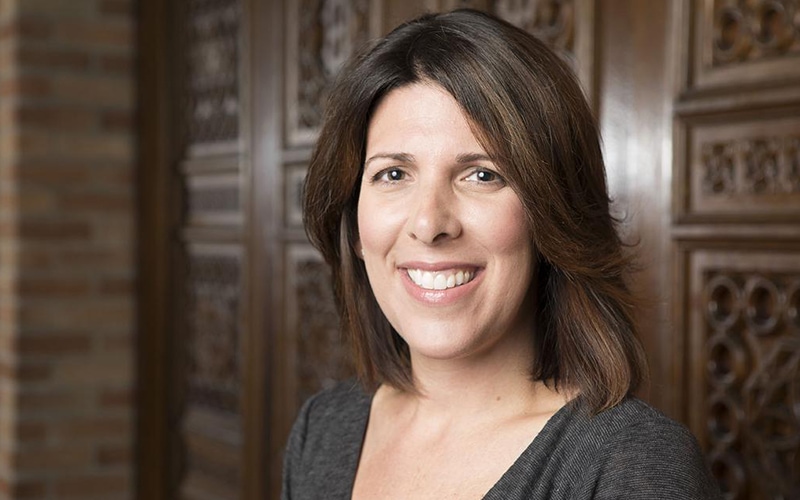
    Lisa Strock has been with The Martin Group for almost 14 years, and through that time, her role has evolved as dramatically as our number of employees and offices. Starting out as an account executive and now our Senior Vice President and Managing Director of our Buffalo office, Lisa was recognized last year as a Woman of Influence by Buffalo Business First.

    With the 2019 Women of Influence class being recently honored in September, we wanted to go deep with Lisa on her leadership style, career evolution, and thoughts on the keys to building and maintaining the right company culture.

    What do you think defines good leadership?

    I don’t think there’s any one thing, but there are a lot of commonalities for what I find to be good leadership. The common threads are things like empathy and caring about culture. You have to be able to appreciate what everyone does in their role and what’s important to them. Culture is a direct correlation to people feeling satisfied in their role.

    You have to be open to collaboration. I don’t know any leaders who can do it all themselves. The more open you are to collaboration and other opinions and perspectives, the more positive an impact you’ll have on the organization.

    At the end of the day, you can never take your eye off the culture. As a leader, you’re making business decisions every day, but you have to always reflect back on the culture. If not, you’ll start to see things deteriorate.

    What would you say has been your evolution as a leader during your 19-year career in advertising?

    I started as an account exec 19 years ago and I’ve really been able to learn the business from the bottom up and inside out. Being in account service, you work a lot with clients and different disciplines within the agency, and that has very much been a big part of my evolution as a leader in the agency. I’ve been able to develop empathy and respect for other roles and client expectations and what the agency can do to make their lives easier.

    Early in my career, I thought I had to have all the answers to everything, and I was quick to jump to conclusions and put something out there. Now, I’ve been able to be more patient and really appreciate the people around me who are subject matter experts, and allow them to share their ideas to help frame a lot of my thought process. I felt like when I was younger, if I didn’t have an answer, I wasn’t doing my job.

    A lot of times when I’m talking to people, I’m jotting down notes or typing, capturing thoughts that someone is saying. I draw on a lot of that all day long, whether with our executive team or the people I’m interacting with on certain client teams. The people around me help me evolve as a leader – everyone coming at something from different perspectives.

    Any telling anecdotes that provided important lessons for you along the way?

    There are clients with challenging situations that really took me outside of my comfort zone. I had to really work on the art and science of being in that position. There is always that tension of finding a solution that works for everyone, and I’ve learned that when you come at it with the client at the forefront, you’re able to get to the solution much quicker.

    Early in my career, I had an interaction with someone who couldn’t be any different from a personality standpoint. We were just two different people. We had an interaction with a client and we completely disagreed. This individual, who was more experienced and established than me, called me on the phone screaming at me. I just remember  thinking, “I don’t want to ever make someone feel like that.”

    There will always be differences, but you always have to find the common ground. I was once told that working at an agency is like playing the piano – everyone is a different key. If that means changing how you act then that’s okay. To me, that goes back to culture. If your culture is well-defined, and there’s some common ground to work off of, that’s the starting point for me. You may not understand how they’re responding and what’s triggering their reaction, but you can have a productive conversation and still be helpful to them.

    Is there anyone you looked up to as a leader when you were coming up, or maybe a mentor who helped mold you into the leader you are today?

    At the root of it all, my parents have molded me the most. My mom and dad are both blue-collar, salt of the earth, get up early and work hard and get the job done – and that’s always been ingrained in me. Then, as I’ve gotten into my professional career, I think it’s also about developing your own style. You start to find different things in different people that are respectful and inspiring, and then over time you develop your own style.

    I’m not trying to replicate any one person because I want to keep what’s true to me. I’m very much inspired by people who I work with and different organizations I’ve been involved with. With TMG Founder and CEO Tod Martin, it’s that concept of taking the high road – he’s always instituted that in many different ways. Early in my career, it was learning the craft of advertising, and learning from my creative mentors. I’ve had the fortune to work with some of Buffalo’s greatest advertising leaders: Joe Crowley and John Webb. They really set the tone for the advertising landscape in Buffalo.

    What is your advice to young associates who are looking to advance into management and become better leaders?

    If it’s really something you want to do, you have to first communicate with your manager so they understand and can help you get there. Beyond that, do good work, do what you say, and be a good person. I think if you contribute to culture in a positive way, that says a lot. Perhaps you’re still learning the facets of the agency, but if you’re contributing in a positive way and influencing the culture, that supersedes some of the actual understanding and nuances of a specific job or discipline. You might be a really good craftsman in your job, but if you aren’t somebody willing to engage with the company at large, step up and speak up, then you’re not progressing as a leader.

    Any books, podcasts, or other resources you’d recommend?

    In addition to daily Smartbrief emails, there are two other things for someone looking to develop their own leadership style. First is finding a leadership program that’s a good fit for where you are in your career. I went through Leadership Niagara and really took a lot of value from that program and still apply learnings from that in my daily work. Second is, when you need those influxes of inspiration to get you going again, go watch a speaker of interest; even if you don’t think of them in a leadership role, you can take something from that. For me, it was recently Ruth Bader Ginsburg. She provided sparks of inspiration that I find really refreshing.

    As a busy mother of two, what is the key to being a good manager of time and multi-tasker in balancing work and family?

    To me, it’s 24/7 and I never turn off my role at the agency, even when I’m home. The key for me is you have to work for a company that values family. I’m fortunate that I do. The key for balance is that I like to get out ahead of things. If I have a project due in three months, I’m already thinking about it. It makes me feel more prepared and able to handle the work-life balance.

    It’s also having people around you who share a common interest in wanting to have that same balance. At home, I have my husband Dave who is a huge part of that. At work, I have our executive team and department heads who want to help one another. I feel like I can go on a break and my team will help me. Hopefully, it’s the same for everyone because they want the same thing.

    Some people are good at compartmentalizing, but for me it’s one thing. If I’m as vested in both, it’s not about separating; it’s about balancing all of it. But I do have to take cues from the people I’m spending my time with.

    What are the most important components to putting together a good team and encouraging collaboration and integration?

    The most important components have to be some common ground that everyone’s bought into. When we talk about the agency’s values, we talk about connecting and connectivity being important to us. We offer our clients an integrated approach, and we have to be connected to do that. We might be coming at that from multiple disciplines, but if we all agree on a common ground, that’s a good starting point to move forward with.

    You also have to start building trust with one another. That’s something that’s sort of on each individual to do, and you have to be able to have conversations that are constructive and be able to have vulnerabilities along the way and build up that respect for one another.

    I want to encourage people to feel comfortable talking to each other even if it’s uncomfortable. Sometimes expectations are just very different, but when you talk, you realize you’re trying to accomplish the same thing and you just misinterpreted something. Sometimes the longer you let it linger, it just fans the flame and makes it worse.

    The benefit is really to our clients: they get a partner who adds more value; the outcome is better the more collaborative the teams are working together. We’re at our best when the client has a relationship with the integrated team and benefits from a handful of different people.

    I also think it’s important for people to celebrate other people’s wins and victories. Even if you didn’t have a direct role in a client win or successful project, it’s important to recognize your peers by encouraging each other and still feeling part of it.

    What did it mean to you last year to be named a Woman of Influence in Buffalo by Business First?

    It was definitely a highlight for me in my career and I think I probably am a little too humble about it. It was nice to hear others around me saying it’s a big deal and that I should enjoy the moment and I’ve earned it. I just do my job and don’t look for those accolades. I’m a little shy and embarrassed with that stuff anyway. But I felt very proud to have that recognition and to celebrate it with my colleagues and family. It was really great that my mom came to that event and for my family to get a glimpse into my world and what I’ve been able to accomplish.

    I often share with my daughter and son the importance of having females in their lives who set good examples. So it’s good for them to see their mom making a difference and setting a positive example.

    The advertising industry isn’t known for being very diverse. What do you think needs to happen to change that? 

    Asking the question is a good starting point, but it’s not enough. It can’t be treated as an afterthought. Diversity and inclusion have to be a focal point for the industry-at-large — and individual organizations — if we really want change.

    We need to think about it holistically. Diversity can be an individual’s background, where they’ve worked, the communities they’ve lived in; it can be education. Certainly, there is cultural diversity and diversity of ethnic background, gender, and age, but it can’t just be a box you check. 

    One way agencies can help make a difference is opening their doors through internships, mentoring, etc., to a diversity of students and young professionals who are interested in the business. 

    I am proud that our agency has made great progress in that. We’ve worked hard to create a diverse agency with individuals that come from all different types of backgrounds, but there is always more we can do.

    Do you have any job application/interviewing advice for people looking to break into an advertising agency?

    I would encourage you to do your homework on the company and its culture. It’s just as important that the company finds you to be a good fit as you find their culture a good fit for you. Check out their social media, read bios of people who work there; if you feel you can flourish in that culture, you’ll feel much more confident going into that interview. Just be yourself. You don’t have to convince them that you’re who they want you to be. Just be who you are. You can tell a lot about a company’s culture from social media, and if that gets you excited, you’re already coming in with enthusiasm and that will show.

    Advertising is so personality-driven. If you are someone who flourishes in a lot of different experiences and the idea of the same schedule every day is boring to you, advertising is something you should look into. You should let the people you’re interviewing know that’s the type of role you’re interested in.

    Also, if there is something you want to share and the question wasn’t asked, feel free to share it anyway. The more it can feel like a conversation the better.

    I also think some people have a missed perception that you have to be a creative person to work in advertising. Now, there are so many roles that might make someone do well at an agency. Now more than ever, we consider people without agency experience because that different background adds value. It’s not a must-have any more.

    The Martin Group has changed a lot going back to its origins in 2001. What’s been the key to your continued success at the agency?

    Our agency has changed so much in the last 14 years, but through acquisitions, new offices, and different clients, I think I’ve been successful evolving with that. There has never been a playbook for my role. If a person can carve it out for themselves and figure it out along the way, you can be successful.

    Realize you have weaknesses and surround yourself with people who do know how to fill those gaps. There’s never been a script and my job description is constantly evolving. Our organization has always grown and evolved. Some of it we’ve planned for and some we haven’t. But a good leader has to figure out how to ebb and flow with that. Some days I spend more time on one aspect of my job, some days it’s another aspect, and some it’s in the middle. That comes with having a leadership role in an organization. It’s what’s called a “healthy tension”: trying to manage that and not getting pulled too much in one direction. You have to use your judgment.

  • How Public Relations Can Bolster the Manufacturing Industry

    You searched for new era cap – Page 25 of 31 – The Martin Group

    Growing a manufacturing company is hard work.

    The competing priorities can seem endless—filling orders, training workers, marketing products, keeping up with competitors, adopting new technologies, improving operations, and more.

    Fortunately, there’s a network of organizations across the nation that is ready and available to help manufacturers solve problems, become more competitive, and accelerate their growth.

    The Manufacturing Extension Partnership (MEP) is a public-private partnership with centers in every state nationwide. The New York MEP is a network of 10 regional centers and one statewide center, FuzeHub.

    Every day, the NY MEP and its peer networks in other states help small- to mid-sized manufacturers access the resources, programs, experts, and assets they need to address challenges related to productivity, innovation, commercialization, efficiency, and other business issues.

    And importantly, they’ve delivered results. In 2018 alone, the NY MEP helped create or retain 5,351 manufacturing jobs and generate $819.3 million in company cost savings, new investments, and increased or retained sales.

    Since the summer of 2018, The Martin Group has worked alongside FuzeHub and the NY MEP to expand awareness of their work to help manufacturing and technology companies thrive.

    With our clients at FuzeHub, we were recently invited to lead a webinar for the MEP National Network with the Oregon MEP and its PR partner, Coates Kokes.

    With coast-to-coast collaboration, we shared our successes with the NY MEP and OMEP. We presented to MEP Centers across the country about how they, too, could deploy public relations programs to expand their networks, build their brands, and engage new partners and clients.

    When manufacturers learn about their local MEP center, it can be the first step toward stronger growth and job creation. That means empowering MEP centers with PR skills could have a big impact on U.S. manufacturing.

    You can watch a recording of the webinar at this link.

    We provided an overview of PR basics and dove deep into tactics that can drive earned media success for MEP centers and other organizations that serve manufacturers.

    Throughout hourlong webinar, we explained how to:

    1.) Leverage client stories to drive local news

    To help people understand the work that MEP Centers do, it’s often best to use real-life stories of how they helped a manufacturer solve a problem so they could grow. This is especially important with local media that want real stories about people who live in their coverage area.

    2.) Increase attendance of events through earned media

    The news media wants to provide value to their audience. If you’re an organization that helps companies succeed and your events are among the ways you help those companies, be sure you let the media know about your events. If the events can be beneficial to their audience, they will often be interested in including them in their coverage. 

    3.) Generate awareness through industry trade publications

    Your clients are reading publications specific to their industry to gain insights into how to become more competitive and grow. If you can successfully land a story in one of these publications, you’ll reach people within your target audience.

    4.) Advocate for manufacturers through op-eds and opinion writing

    Writing opinion pieces can position you as an expert in the field. Help your community understand the issues the industry faces, and explain how certain solutions can generate a positive impact. In business-focused publications, your op-ed could explain how to solve trending challenges or capitalize on emerging opportunities.

    5.) Create and distribute media kits to grab attention

    Media kits put engaging, compelling materials in front of reporters and editors to facilitate introductions to your organization and experts. In our media kits, we typically include a fact sheet, spokesperson sheet, a narrative about the organization, pertinent news releases, localized data, and high-res imagery.

    6.) Share the experiences of manufacturers to connect with readers

    To reinforce the message, we emphasized that each MEP center’s best stories live within the clients it helps strengthen and grow. When timely and compelling, client successes can lead to valuable coverage. However, one significant challenge is that many manufacturers get nervous about speaking to the press because they fear they might share proprietary information. The solution is to get manufacturers comfortable; try conducting pre-interviews, which will help you gather pertinent info for your pitches or your own website content, plus, it will give them a practice run.

    7.) Create a steady drumbeat by keeping the media updated on your work

    Beyond the big successes with notable clients, MEP centers are doing important work every day to strengthen the manufacturing industry. Let the media know about it. Keep a pulse on activities happening throughout your organization and create a habit of regularly sharing updates—through news releases or media pitches—with key journalists. And, focus on building relationships with those key journalists.

    8.) Become your own reporter

    Unfortunately, newsrooms across the country continue to face a shortage of resources, especially outside of major markets. Capture video and photos. Gather learnings from events and from local manufacturers, and write them up into digestible content. Constantly consider opportunities to share your content and maximize its reach—through social media, blogs, email newsletters, and other tactics.

    The takeaway

    While the information we shared during the webinar was tailored to the needs of MEP Centers, these tips can help any service-oriented organization or company. Strategic public relations can be an effective tool to connect with your target audiences and encourage them to take action.

  • Public Relations Manager

    You searched for new era cap – Page 25 of 31 – The Martin Group

    The Martin Group, a leading integrated communications firm with offices across New York State, is seeking a Public Relations Manager based out of Buffalo for the agency’s growing public relations department. The successful candidate will manage the various needs of multiple client accounts, deliver exceptional written communications deliverables, and find creative ways to leverage brand stories to gain favorable brand and reputational outcomes for clients.

    At The Martin Group, the difference is making one. It’s an identity and way of thinking that defines who we are as an agency. We believe we’re here to make a difference for our clients, colleagues, and communities every day. You will be successful in this role if you have great communication and storytelling skills, enjoy engaging with others, write with exceptional skill and precision, and demonstrate creativity in delivering solutions. The ideal candidate is passionate about what they do and committed to professional growth and propelling client success.


    Primary Responsibilities:

    • Acts as the day to day contact for various clients, managing their public relations needs and overseeing any creative service requests, as well as vendors and outside consultants as needed
    • Helps clients achieve success through personalized service and an understanding of their industries and business objectives, as well as their challenges and opportunities
    • Works with senior members of the team to create and implement PR strategies and campaigns that align with clients’ goals and objectives by identifying target audiences and setting measurable goals
    • Writes press releases, media advisories, scripts, speeches, talking points, briefing documents, blog content, advertising copy, and other internal and external PR content for clients and the agency
    • Builds and maintains relationships with journalists, editors and influencers through effective story pitching, interview coordination, inquiry management, and networking
    • Plans and coordinates events such as press conferences, product launches and community outreach initiatives to generate positive publicity and engage key stakeholders, and serves as client and agency representative at such events
    • Tracks media coverage for client campaigns using various metrics and tools, assesses public opinion, and works with senior members of the team to provide clients with results and recommendations for future strategies
    • Writes compelling and on-brand content for digital and social channels, and demonstrates an aptitude and willingness to manage social media campaigns and efforts
    • Attends networking and media events, as well as meetings with clients, suppliers and partner organizations to discuss aspects of PR campaigns and activities
    • Demonstrates capability to provide strategic counsel to clients at a moment’s notice with support from account leads or other senior members of the PR team
    • Assists in delivering presentations to various internal and external audiences, including media trainings for clients and new business pitches
    • Creates and manages client budgets and works with the PR team to ensure projects are completed within budget
    • Establishes community relationships to expand the agency’s network with the intention of contributing to future new business initiatives
    • Executes various research projects as needed for clients and senior members of the team

    Skills and Abilities:

    • Outstanding and widely recognized ability to craft written content, copy and messaging in various styles, voices and tones tailored to different audiences, product categories, and branding initiatives
    • Passionate and up to date on the latest in local and national news, current events, digital trends and tactics
    • Ability to mobilize audience participation and engagement, and develop compelling content and editorial pieces
    • Communicates clearly and effectively in person, via email, and over the phone with clients, PR team members, and other agency staff at every level on various projects or topics
    • Deliver strong and engaging presentations on various topics and to various audiences
    • Ability to consistently meet deadlines, surpass client expectations, manage competing priorities, and demonstrate competence and discretion related to high-profile projects at all times
    • Ability to be proactive, reliable, and accurate with a keen eye for detail
    • Proficient with X, Facebook, LinkedIn, Instagram, and other social media platforms
    • Proficient with Microsoft Office, Zoom, Dropbox and various productivity tools; familiarity with WordPress, Hootsuite, and other similar tools
    • Collaborates effectively internally and across departments to achieve agency and client goals

    Requirements:

    • Minimum of 4 years of experience in public relations or communications
    • Bachelor’s degree in communication, journalism, or related fields, or equivalent work experience
    • Writing samples that clearly showcase your ability to craft engaging content

    Salary Range: $60,000 – $75,000/yr


  • Food for Thought: Takeaways from Niagara University’s Food Marketing Innovation Summit

    You searched for new era cap – Page 25 of 31 – The Martin Group

    On Thursday, May 2, The Martin Group had the pleasure of attending Niagara University’s Food Marketing Center Of Excellence (FMCOE) 2019 Innovation Summit, a half-day conference in which heavy hitters from the food industry offered their unique insights around this year’s topic: “Loyalty That Lasts: Creating Personalized Customer Experiences for Loyalty in the Digital Age.”

    Before recapping the key takeaways from the summit, a bit about the FMCOE: from NU’s College of Business Marketing, the program is a unique collaboration between the university, its students, and local food and consumer packaged goods (CPG) industry leaders that provides students with tremendous educational and career opportunities, and industry executives with access to the next generation of food and CPG marketing leaders. The program is supported in many ways by some of the world’s leading industry companies—many headquartered in Western New York and Southern Ontario, and in close proximity to NU—including Perry’s Ice Cream, Wegmans, Tops, Rich Products, Rosina, and others.

    The makeup and approach of the program is mutually beneficial to NU students and industry leaders alike. Students are empowered to thrive in a variety of food marketing roles through education and internship opportunities, while the industry benefits from an expanding pool of graduates who enter the labor force with a unique set of skills and knowledge in areas such as brand management, social media, category management, marketing research, marketing agencies, and sales.

    The Innovation Summit represents an annual culmination of this unique collaboration, and this year’s event did not disappoint.

    The first presentation was from Jack Li, a Haiku Master (is that not the coolest title ever?) with DATASSENTIAL, a leading food & beverage insights agency where Jack has pioneered the use of menu data to predict flavor trends. Jack’s presentation, entitled “Let’s Get Personal,” offered conferencegoers a data-driven look at the new personalization paradigm and its implications across the dimensions of personal health, personal tastes, and personal values.

    Jack’s presentation focused on three key trends – personalization, convergence, and migration—and how they’re driving innovation throughout the food industry, from restaurants to retail.

    • Personalization: Not to be confused with customization, personalization is about leveraging the emergent sphere of individualized health (think home DNA kits) to create personalized nutrition choices tailored to each individual’s unique genetics, health and fitness goals, etc. 

    • Convergence: A number of different convergence points are shaping the industry, but one in particular focuses on functionality—namely, the intersection of functional food and functional health and beauty. “Functional” foods like bee pollen, turmeric, quinoa, and other “superfoods” geared toward optimizing performance and nutrition can today be found not just in food and beverage products but, increasingly, in health and beauty products as well.

    • Migration: The boom in migration of new ethnic populations is changing how we (Americans, that is) think about food, and introducing  an unprecedented variety of new concepts, flavors, and ingredients into New American fare.

    Another great industry heuristic that Jack shared was what he called the “4-stage cycle” along which new industry trends tend to advance:

    • Stage 1: Inception – Initial introduction into the marketplace, which almost always begins at newer, niche restaurants.
    • Stage 2: Adoption – With growing popularity, the trend next advances into specialty grocery stores and food trucks, though remains fairly niche.
    • Stage 3: Proliferation – When the trend can be found in larger grocers and chain restaurants, it’s officially graduated from niche to mainstream.
    • Stage 4: Ubiquity – When a trend has reached maximum saturation, and has essentially run its course.

    So how do these new trends evolve beyond the first stage? According to Li, new food trends are increasingly breaking through as early-stage ingredients accompanying ubiquitous items with which consumers are more comfortable, like fries, burgers, etc. This process of “safe experimentation” is what Jack refers to as “Fusebiquity,” or “ubiquity with a dash of inception.”

    Next up was Jason Smith, a Managing Director with USA Shopper Intelligence, which runs the largest syndicated shopper survey in the world to benchmark retailers, departments, categories, brands, and segments across dozens of different shopper metrics.

    Jason’s talk focused on “Shopper Led Decision Making,” in which he made the important distinction between the “consumer” (the imaginary purchasing persona that drives strategy for most manufacturers) and the “shopper,” maintaining that understanding how and why shoppers make decisions is more important than ever as the retail landscape continues to navigate today’s unprecedented level of disruption.  

    He also listed some of the key challenges for CPG manufacturers wanting to do shopper research:

    • Cost: custom research on shoppers is expensive
    • Narrow focus: lacks context to rest of store
    • Typically centered around large retailers
    • No standardization: each research partner brings a different methodology
    • Strong push for near-term ROI can limit long-term success
    • Research tends to get stuck in corporate and doesn’t always get leveraged by field teams

    Last but not least in the individual presentations was Neil Stern, a senior partner with McMillanDoolittle, where he’s developed and implemented retail strategies for an impressive bevy of clients, including Harris Teeter, CVS, McDonald’s, and Publix.

    Stern’s presentation, entitled “How to Maintain Relevancy and Positioning for Growth in a Changing Retail Landscape,” focused on how rapid changes to the retail landscape are leading to an explosion of new formats, as alternative channels continue to grab market share from traditional grocers.

    Stern noted that the disruption of traditional retail is being driven by three separate, but interrelated trends: demographic, technological, and societal. He also noted that growth in food retail is clustering around the following emerging formats:

    • Fresh
    • Limited assortment
    • Dollar format
    • Ecommerce (though, somewhat surprisingly, just 2% of food retail sales are online)

    Stern noted that retail is essentially moving to the extremes: extreme value, extreme convenience, and extreme experiences. He then offered some interesting examples—both stateside and abroad—for each. My personal favorite was Don Quixote in Japan—a store that breaks all the rules around organization and avoiding clutter, creating a unique shopping experience that’s akin to a treasure hunt.

    Following the individual presentations, the summit shifted to an executive panel discussion that included the following retail leaders:

    • Frank Curci – Chief Executive Officer and Chairman, Tops Markets
    • Mike DeCory – Vice President of Grocery, Dairy, Frozen, Wegmans Food Markets
    • Jim Dorey – President, Price Rite Marketplace
    • Ian Prisuta – Chief Strategy Officer, Giant Eagle, Inc.
    • Kurt Schertle – Chief Operating Officer, Weis Markets

    The panel included a wide-ranging discussion around in-store strategy. One of the more interesting topics was around “center store,” which has historically served as the key sales and profit driver at grocery retailers, but is now being disrupted by shoppers’ evolving preferences toward perishables, bakery items, ready-made foods, etc. This is causing retailers to undergo more center-store “resets” than ever before as they continue to find the right sweet spot for today’s shoppers.

    Despite the diversity of speakers and subjects included in the Innovation Summit, the common motif throughout was disruption. We are all living through unprecedented changes, and probably don’t appreciate the extent these changes are affecting the way we shop for and consume food. But while this disruption presents myriad challenges, it also entails a number of exciting opportunities—both for the industry and those young professionals looking to penetrate it.

  • Designing packaging that moves and speaks—even when it doesn’t

    You searched for new era cap – Page 25 of 31 – The Martin Group

    Recently, 19 Crimes designed a series of interactive wine labels that came to life and told of their “crimes” when viewed through the brand’s smartphone app. While we don’t have access to sales data, if the number of people pointing their phones at end caps and aisle displays is any indication, they were wildly popular. People enjoy interacting with the products they buy. It can draw in new customers and build brand loyalty, two areas that have a direct impact on the bottom line.

    But interactivity doesn’t require a smartphone—just smart design. Good product packaging can be interactive even if it never moves or speaks. Done well, it can move the consumer and speak to them in ways that compel them to buy.

    A few months ago, our long-standing client, Three Brothers Wineries & Estates, decided it was time to readdress their Passion Feet line of wines. One of three award-winning brands that are part of the Three Brothers portfolio, Passion Feet is a line of blends and table wines that enjoy a loyal customer base that skews toward a female demographic. The old labels were quaint and playful, picturing women in a signature style—tall, fashionable, with really big feet. But the time had come for a brand refresh. Three Brothers wanted the labels to reflect both the wine and the women who drink it…and the Women of Distinction series was born.

    Without an app and any digital magic, the labels that we created are good examples of interactivity of the old-fashioned variety. Our experience has taught us that packaging should interact with a consumer in three ways—from across the aisle, from three feet away, and when the product is in your hand. Passion Feet does all three.

    Each of the labels features a silhouette of a woman—intentionally faceless so it could be any woman or every woman. All in the same profile, they make a compelling series when standing side-by-side on the shelf. Clean design with a white background, the colorful women are different in what makes up their hair or head covering—and definitely worth a closer look.

    At a closer level, you can see the detail of what makes each woman different. Working in tandem with the evocative names, the individual labels feature women with hair made from elements of nature, pop art, and adventure. By design, they compel you to pick them up and examine them more closely to see what defines Ferocity, Eccentricity, Audacity, and other traits of both wine and women. 

    Finally, when the consumer picks up the bottle in the store or as they pour a glass at home, the labels invite some interaction and time. Most will first notice the details of the printing that includes unique illustrations from artists in numerous countries, foils, embossing and debossing, and other techniques that are only appreciated at close inspection. On the back, there is also a short story that captures the spirit embodied in the name and the aspirations of many of the consumers who will drink it.

    The series earned an ADDY award and a comment from the judges that said, “It’s sort of a reward to pick up a package that catches your eye and then you read it and say, ‘Oh, there’s even something interesting to read on it as well.’ So it delivers the full experience. It all works together. You can tell there was a brand voice that was evolved for this product.”

    That experience invites women to speculate which label best captures their spirit and which wine will best suit their taste. The experience can also sow the seeds of brand loyalty. If a label can bring someone across the aisle to pick it up and then see themselves in it, it has made the buying decision less about price and more about emotion. And that is where every brand aspires to be.

  • Albany Law School

    You searched for new era cap – Page 25 of 31 – The Martin Group

    With steady enrollment growth, increased rankings, and accolades for academic innovation, Albany Law, the nation’s oldest independent law school, was already experiencing positive momentum. But how to transfer that momentum to an ambitious fundraising campaign?

    Our strategy and creative, like We Rise Together: The Campaign for Albany Law School itself, recognized and centered around a single fact—individual stories of student perseverance and triumph collectively raise the institution to a new level and form a compelling reason for philanthropic support of Albany Law.

    Through stories of students who each embody a different campaign pillar and who all embody the Albany Law commitment to excellence, service, and insatiable improvement, a case statement, campaign video, and campaign landing page told the Albany Law School story—one that invokes pride in the school’s past and enthusiasm for its future.

    At the campaign’s public announcement, Albany Law School had secured $22 million of its $30 million goal. As of June 2020—just 18 months after the launch—gifts to the campaign amounted to $28 million. Individually, our tactics increased awareness and engagement for Albany Law. But together, they formed a cohesive campaign capable of helping Albany Law achieve its most ambitious fundraising goal.

  • The Importance of Paid Social Media

    You searched for new era cap – Page 25 of 31 – The Martin Group

    paid social media

    Home to 2.2 billion active users worldwide on Facebook and 1 billion on Instagram, there’s no denying that social media is the most important tool businesses can utilize to share their message and connect with their audience. But with Facebook and Instagram’s constantly evolving algorithm favoring the people their users interact with the most, the competition for space in the newsfeed is getting fiercer each day, and businesses on social media have an even harder time of getting their content in front of their audiences.

    Organically, only 2% of a business’s followers see their content with that number seemingly shrinking more and more each year. Without a paid social media plan behind a content or promotional strategy, there’s a large chance messages will fall on deaf ears.

    Luckily, as Facebook’s algorithm has evolved, so has their paid advertising platform and offerings. People seem to think that all you need to do is think about a product and you’ll start seeing an advertisement in your newsfeed. Reading your mind isn’t exactly how Facebook’s ad platform works, but with the level of detail you’re able to target an audience, it doesn’t seem to be far from the truth.

    Facebook uses its own first party data of what its users provide on their profiles, who they’re connected to, what pages you like and interact with, and connected app data to allow businesses to strategically target users.

    When creating a paid social strategy, the most important thing is to determine what the overall goal of the campaign is before determining who the target audience should be.

    Ad Objectives

    There are a number of objectives to choose from when creating a Facebook ad. Once you’ve determined the goal of your campaign, that’ll help you determine which objective you should choose.

    • Brand awareness and reach
    • Website traffic
    • Page, post, and event engagement
    • Video views
    • App installs
    • Lead generation
    • Messages
    • Conversions
    • Facebook catalog sales

    Audience Targeting

    Facebook’s sophisticated ad platform allows its users to strategically target audiences with general interest and demographic targeting, as well as advanced targeting capabilities.

    Targeting Capabilities:

    • Location, age, gender, language, interest, demographic, financial, industry, behavior targeting, and more
    • Retarget website visitors
    • Retarget newsletter email lists
    • Retarget lookalike audiences similar to web visitors and email lists
    • Dynamically retarget e-commerce products

    Once you’ve determined your goal and audience, Facebook will share your ad and help you grow your following, send users to your website, showcase a video, encourage and track sales on an e-commerce website, and so much more.

    Analytics

    Not only are Facebook’s targeting capabilities advanced, but so are its analytics offerings. Running ads on Facebook is one thing, but making sure they perform well and are resonating with your audience is equally, if not more, important. While we’re used to instant gratification on social media, campaigns must run for at least a couple weeks before we’re able to dive into analytics and determine if they are resonating with our audience or if adjustments need to be made.

    On top of an ad’s results, reach (the number of people your ad was shown to), impressions (the number of times your ad was shown), and clicks, Facebook allows you to dive deep into the actions performed on an ad to make sure its users are getting the ROI they’re looking for.

    Utilizing UTM (urchin tracking module) codes with Facebook ads further allows advertisers to track actions performed on their website once a user has left Facebook through Google Analytics.

    Learn about important website KPIs to measure in Google Analytics in 2019.

  • A lot can happen in a year. And it did.

    You searched for new era cap – Page 25 of 31 – The Martin Group

    As we approach The Martin Group’s 18th birthday, we’re reflecting on 2018, another year of growth for our agency – and outstanding work with outstanding clients.

    In 2018, we enjoyed our second year at 620 Main Street, our Buffalo headquarters. We celebrated continued growth in our Rochester office which added 12 team members, doubling it’s size. We also expanded into New York State’s Capital Region, with an Albany office in the Times Union building and strategic partnership with Hearst Digital Agency.

    In Buffalo, we received 24 American Advertising Federation ADDY Awards, and 14 Public Relations Society of America Excalibur Awards. In Rochester, we were named one of Rochester’s Best PR Agencies by the Rochester Business Journal, and received two American Advertising Federation ADDY Awards and five Public Relations Society of America PRism Awards. In Albany, we were awarded two Capital Region MARCOM Awards. We also received 36 Healthcare Advertising Awards and three Academy of Interactive and Visual Arts W3 Awards during the last year.

    There were also a number of awards that we consider to be quite special. We were recognized as one of Business First’s Top Private Companies, received a New Office “Brick by Brick” Award, and were awarded a national Public Relations Society of America award, a Silver Anvil, for our “Children’s is Moving” campaign on behalf of the new John R. Oishei Children’s Hospital in downtown Buffalo. And, Lisa Strock, managing director of The Martin Group’s Buffalo office, was named one of Business First’s Women of Influence.

    We are proud of our work and vision to change the way people think through creative, well-executed strategic communications. With 2019 already underway, we invite you to follow along as we share our big ideas and attention to the smallest details.

    Ideas that inspire action, emotion, loyalty. See The Martin Group’s work .