Well—how did I get here? Meet Jen Hunold – The Martin Group
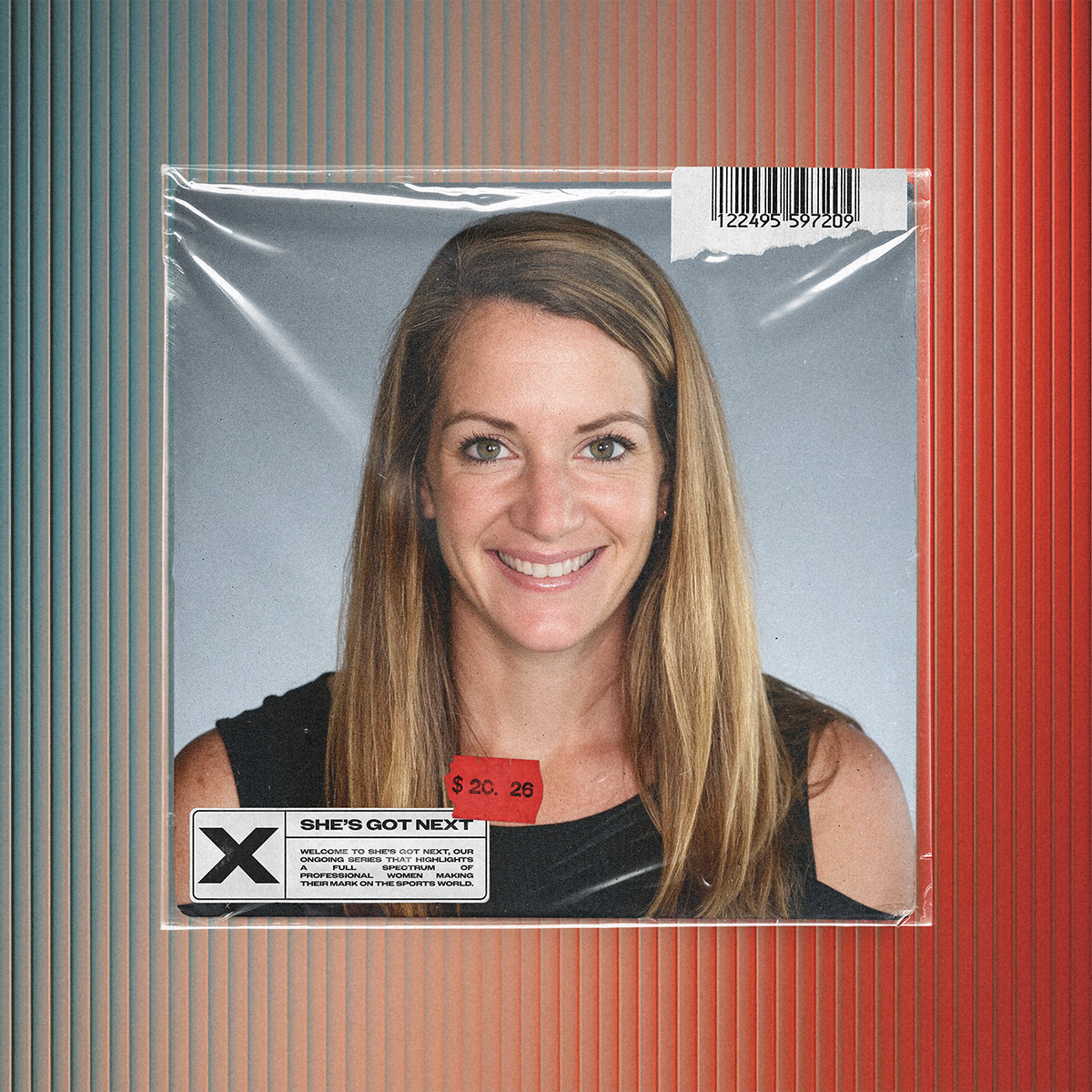
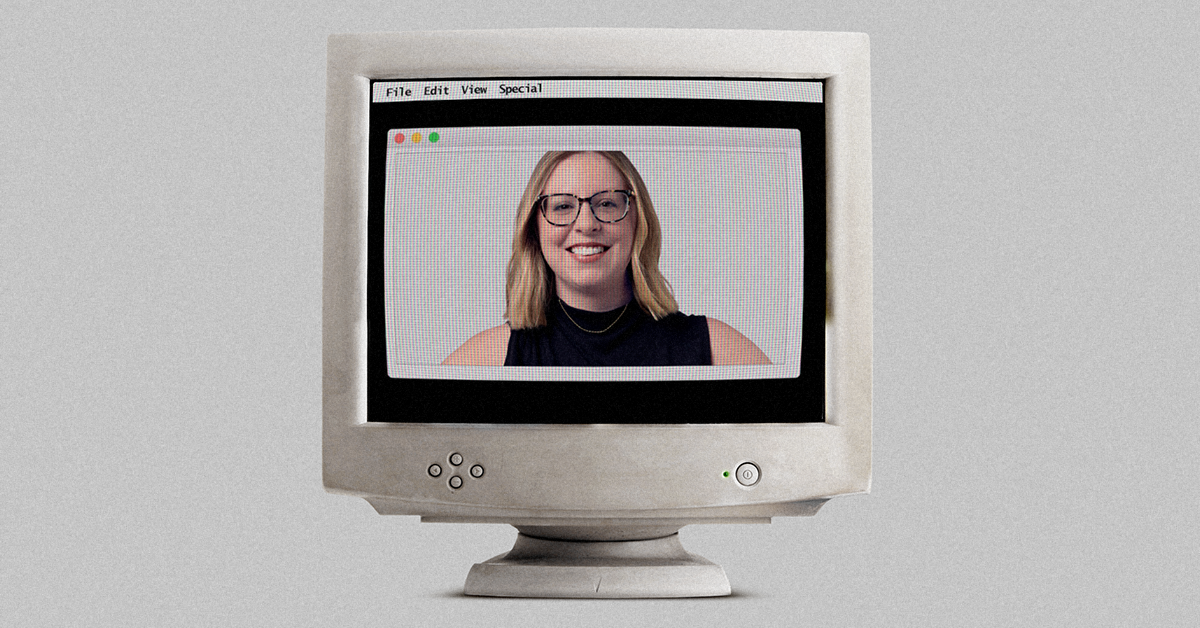
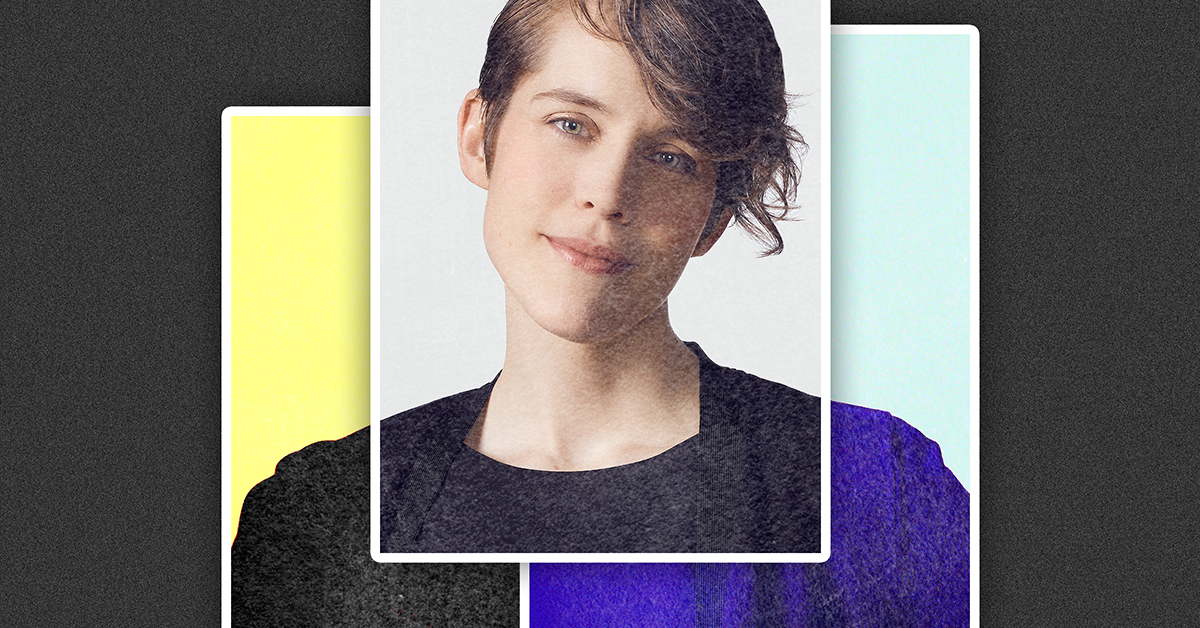
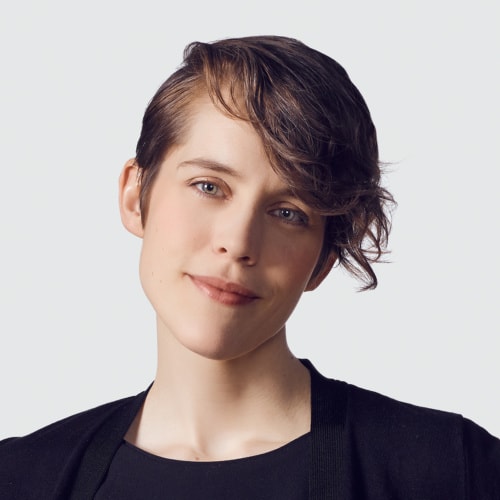
It’s time for another installment of our new regular blog feature, “Well—how did I get here?” featuring first-person stories of our team members and their interesting journeys to The Martin Group. Next up: Vice President of Business Insights and General Manager of our Albany office, Jennifer Hunold. Take it away, Jen.
When I was about five years old, I drew a picture of a girl and a horse standing at the edge of a ledge. In the speech bubble, I wrote: “Everyone else jumped, but should I?”
I’m not sure where a preschooler gets so pensive, but looking back, it fits.
I was never one to follow the crowd, but I didn’t go it alone to make a point either. It was easy to do my own thing when it seemed right or when it had to be done. But for big decisions, I wanted to understand the leap before I took it. I wanted to know the potentials, the trade-offs, and the risks.
That instinct—a mix of curiosity, bravery, caution, and creative problem-solving—has guided me through just about every stage of my life and career.
These days, when people ask me, “How did you get into marketing?” my answer is usually, “accidentally.”
That’s typically met with a look of surprise, if not mild concern. How are they supposed to craft their perfect A-to-Z career plan with a story like that?
Well, you probably can’t. And that’s the point.
The plan before the plan changed
Before marketing and business development, before The Martin Group, I went to school to be an artist.
I started practicing art seriously at age 12 and dreamed of doing that as a grown up. I also loved and admired my teachers, so as I studied painting and drawing in undergrad, I began imagining a future as a college professor. It seemed like an ideal life: serious creative inquiry, a personal practice, and the chance to mentor students the way others had mentored me.
I finished my MFA in 2009—smack dab in the middle of the Great Recession.
That year, the 40 academic jobs I had applied to had vaporized. My future career had destabilized almost overnight.
So, I did what many people do when the plan falls apart and they have a pile of student loans landing in their mailbox: I got any job I could. I drove medical transport. I worked in data entry. I took jobs that did not appear, on paper, to have much to do with art.
And I kept making my art.
The detour that became the road
Artists are used to doing their work outside a 9 to 5. During those years of underemployment, it was especially necessary. And it laid the foundation of my future—even if I didn’t even know it yet.
In 2011, I joined my grad school friends to help shape a punk art space in its nascent days called Collar Works. Naturally, I resisted at first because I knew it would become a project. And of course, I couldn’t help myself: it became a project.
Collar Works needed structure, so I learned what I needed to make it. Contracts. A website. Press releases. Image archives. Exhibition planning. Promotion. All of the unglamorous activity that allows creative work to be seen, understood, and shared.
At the time, I didn’t think of that as marketing and operations. I thought of it as doing what needed to be done.
Later, in an interview for a customer service job at the fine paper company, Mohawk, the HR rep looked at my résumé and said, “You could have a career in marketing.”
It had never occurred to me. But once she said it, my antenna went up.
Keeping my antenna up
That phrase, “Keep your antenna up” is my go-to advice for others and a guiding principle of my career.
It doesn’t mean being scattered by the wind or pinging around like a pinball. It means having a direction, while staying open enough to notice the opportunities sitting just outside the path you thought you were on. In other words, take off the blinders.
At Mohawk, I learned the business from the inside out. I read everything I could so any moment of downtime was growing my knowledge. I talked with folks across the company to understand their roles and concerns. I made friends with the marketing team and became an advocate for their work. Eventually, I contributed to the blog, staffed AIGA and Ad Federation events, joined sales visits and trade shows. I helped the company build its business development group as their first in-house coordinator with a nationwide territory—and it was effective. The throughline was working with brands, agencies, and printers to make some of the most gorgeous materials I’d ever seen.
It’s where I fell in love with great branding.
As an artist, I knew composition, color, material, and expression. But this was the first time I saw those things operating inside a business context at a high level. Branding was not decoration. Design wasn’t just functional. It was meaning made visible. It was strategy with a surface. It was creative expression in service of connection.
It was my business development relationships that opened the marketing agency door. Where in the past agencies didn’t look at me because of my nontraditional, nonmarketing résumé, a business relationship and friend advocated for me in my first agency role. Once in, I grew fast and upward.
That has been a pattern in my career. I may not always look like the obvious fit on paper. But once I’m in the room, I’ve learned the system and people, grokked how the pieces fit together, benefited from the mentorship within my organization, and looked for ways I could help make things better.
Building what comes next
Eight years ago, I joined The Martin Group as the agency’s first hire in the Albany market.
The role needed someone who could build an office from scratch, initiate and grow relationships in the region, and manage client accounts. My previous experience was a perfect fit. I was used to building things from the ground up and working in the grey. And I knew how to serve clients, support teams, create structure, and make a positive impact.
What struck me immediately about The Martin Group was the culture: entrepreneurial, trusting, and deeply committed to doing excellent work. I saw leaders who paired ambition with humility, and autonomy with support. It felt like a place where I could grow—and help build.
Since then, our Albany-area presence has grown from two people to 12, we’ve deepened important partnerships (including our relationship with Hearst), and my own role has evolved from account service to office leadership, growth, and now business insights.
Today, as Vice President of Business Insights and General Manager of our Albany operation, my work centers on helping our teams use data, research, and strategic thinking to better understand audiences, sharpen our work, and connect our efforts to business outcomes. I continue to lead our Albany office, fostering a thriving and healthy work culture that is essential to our success.
Living the questions
One quote that has carried me through nearly every major transition in my life comes from Rainer Maria Rilke: “Live the questions.”
It brought confidence when I moved from Iowa to New York. It brought comfort when my career path disappeared. And it gave me self-trust when I took jobs that made me anxious and wondered whether someone would discover I wasn’t good enough.
That doesn’t mean the uncertainty was easy. In fact, at some points it was painful. Instead, it shows that uncertainty is necessary to grow and evolve. To make a new future. To be surprised, especially in my case when the outcome was better than something I dreamt for myself all those years ago.
So, how did I get here?
Accidentally, yes—but not passively.
I got here through curiosity, relationships, resilience, creative training, hard work, good timing, bad timing that in hindsight turned out to be good timing, and the willingness to keep my antenna up when the road went in a direction I didn’t expect.
Everyone else jumped, but should I?
I think the better question is, “Why are they jumping? Are there paths that might go in the same direction?”
Because that way, I can enjoy the view while I’m on my journey.
Want to learn more about our team at The Martin Group? Click here.